The People’s Advocate Office published the thematic report “Assessment of the Regulatory Framework and Institutional Mechanisms for Preventing, Identifying, and Managing Violence in the Context of Mental Disorders, as well as Measures for Protecting Children in At-Risk Situations, with the Development of Recommendations for Strengthening Public Policies and Respecting Human Rights”, prepared by the People’s Advocate and the People’s Advocate for Child’s Rights, with the involvement of experts in the area.
The report was prepared in the exercise of constitutional and legal duties to protect and promote fundamental human rights and freedoms. Its purpose is to assess the extent to which the existing regulatory framework and institutional mechanisms allow for the effective prevention, identification, and management of the risk of violence associated with persons with mental disorders, as well as the protection of persons in vulnerable situations, especially children.
The necessity to prepare the study was also driven by the examination of individual cases brought to the attention of the People’s Advocate and the People’s Advocate for Child’s Rights, which highlighted systemic vulnerabilities regarding cooperation among competent authorities, continuity of care after discharge from mental health institutions, and mechanisms for protecting children exposed to at-risk situations. Based on these findings, the report provides a comprehensive analysis of the national regulatory framework, institutional practices, and relevant international standards.
The analysis shows that the Republic of Moldova has a relatively developed regulatory framework in the areas of mental health, violence prevention, and protection of vulnerable persons. However, the dysfunctions identified are not caused by a lack of legislation, but rather by its uneven application and the insufficient correlation between existing norms and the institutional implementation mechanisms.
The report finds that the authorities carry out their interventions largely on a sectoral and reactive basis, with each institution acting within the limits of its own mandate, without a joint system for risk assessment and management. Consequently, risk-related information is held fragmentarily by different authorities, without being integrated into a common assessment and without systematically leading to coordinated and proportionate interventions.
One of the most important aspects highlighted by the study concerns the post-discharge period from psychiatric institutions. Although the legislation enshrines the principle of continuity of care and community reintegration, there is a lack of effective monitoring mechanisms, functional individualized plans, and clear procedures for cooperation among the responsible entities. Without these, institutional responsibilities become diffuse, and the prevention of at-risk situations is impaired.
The report also highlights vulnerabilities in the protection mechanisms for children living in families affected by mental disorders and violent behaviors. In many situations, authorities’ interventions are triggered only after serious incidents occur, instead of being based on early identification of risks and cooperation among the health, social protection, education, and public order systems.
The comparative analysis of European practices shows that effective risk management requires not only clinical assessment, but also the existence of integrated mechanisms for case management, community monitoring, and formalized cooperation among the institutions involved, with full respect for human rights and procedural safeguards.
The report’s main conclusion is that the primary deficit in the Republic of Moldova is not the absence of a regulatory framework, but the lack of a coherent and operational national framework for risk management integrating prevention, assessment, intervention, and monitoring across the person’s entire pathway — from early identification of vulnerabilities to reintegration and monitoring in the community.
In this context, the People’s Advocate and the People’s Advocate for Child’s Rights issue a set of recommendations addressed to the relevant public authorities, aimed at:
- developing an integrated national framework for risk management;
- standardizing risk assessment procedures and tools;
- strengthening cooperation among the health, social protection, education, public order, and justice systems;
- developing community services and post-discharge monitoring mechanisms;
- strengthening protection mechanisms for children in vulnerable situations;
- harmonizing the regulatory and institutional framework with international standards in the field of human rights and mental health.
The People’s Advocate and the People’s Advocate for Child’s Rights consider that implementing these recommendations is essential for strengthening public policies, fulfilling the state’s positive obligations in the field of human rights, and developing an efficient, preventive, and coordinated risk management system, for the benefit of vulnerable persons and the community.
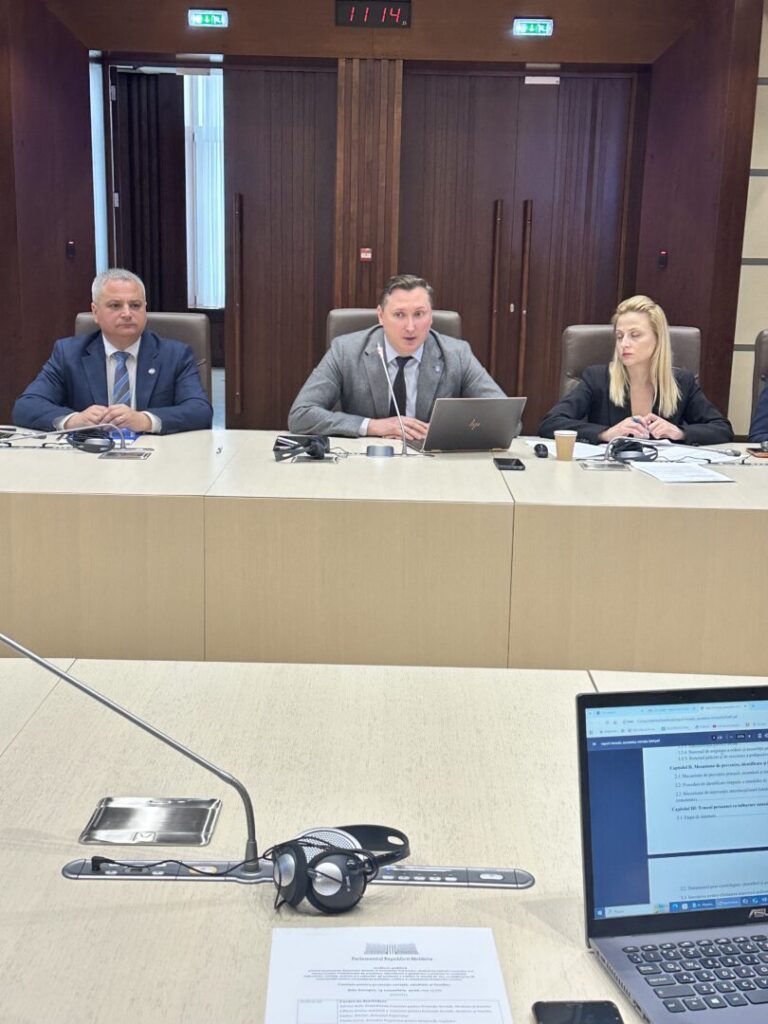
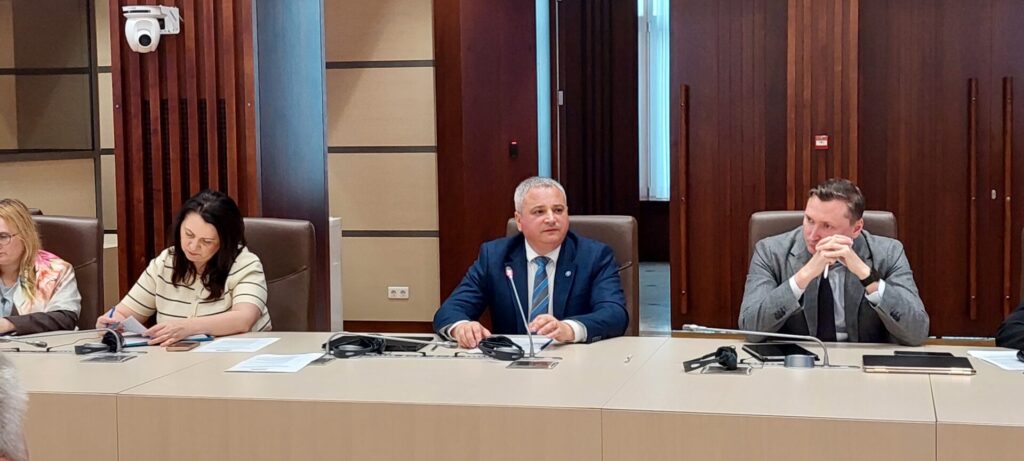
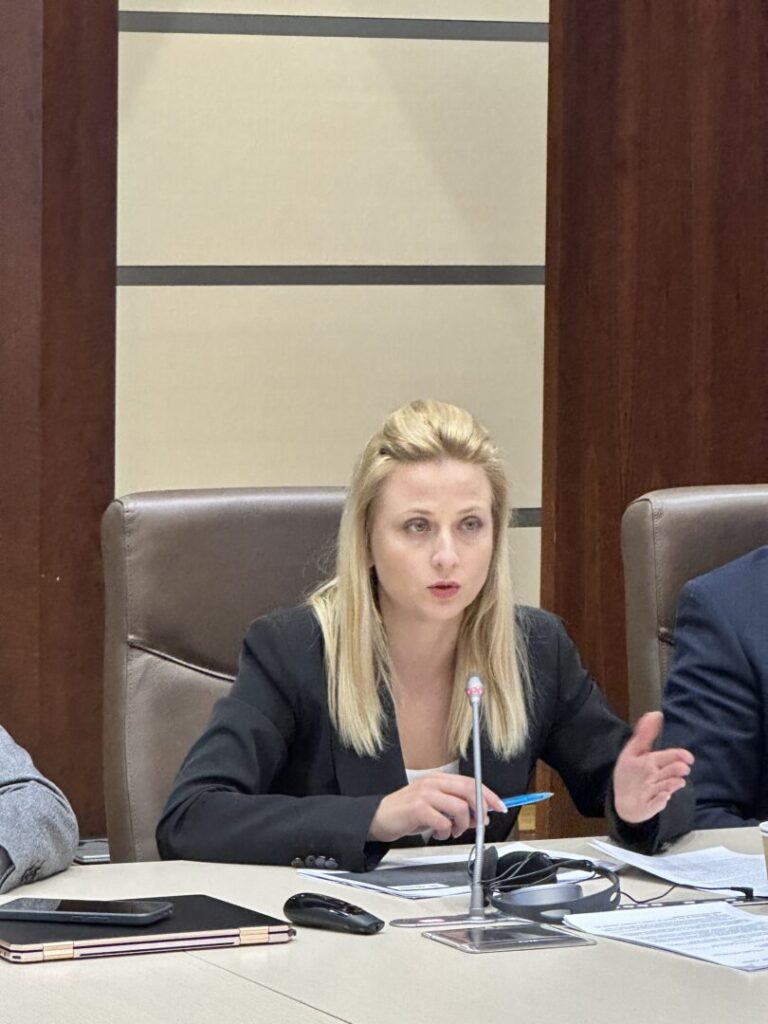
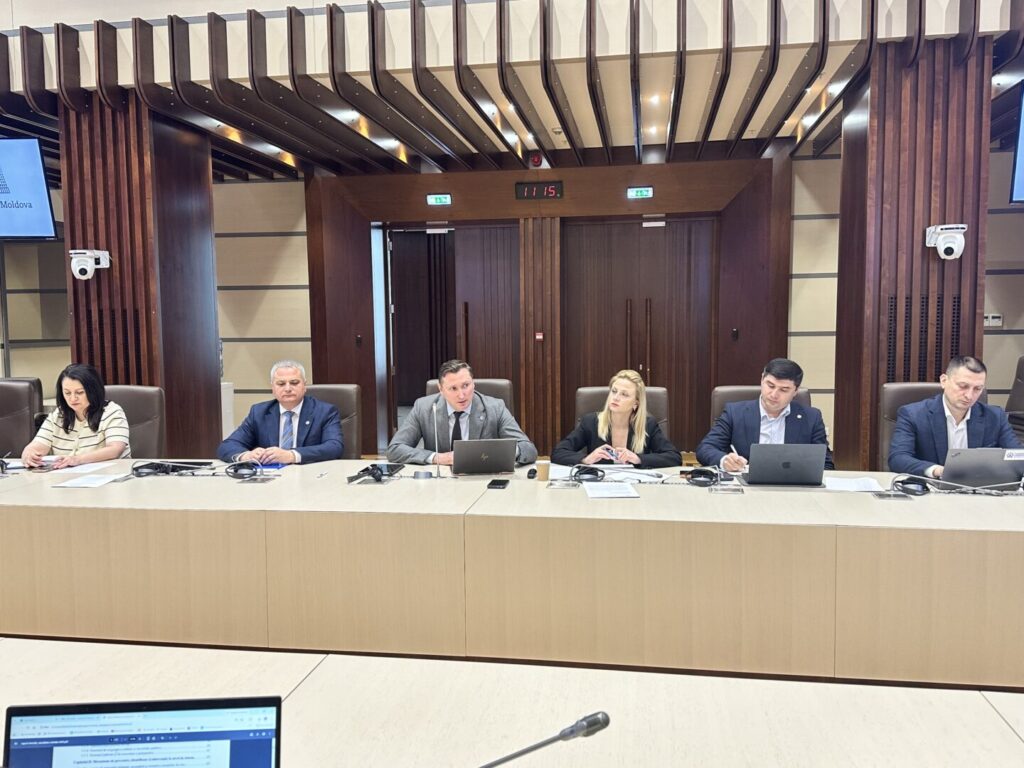
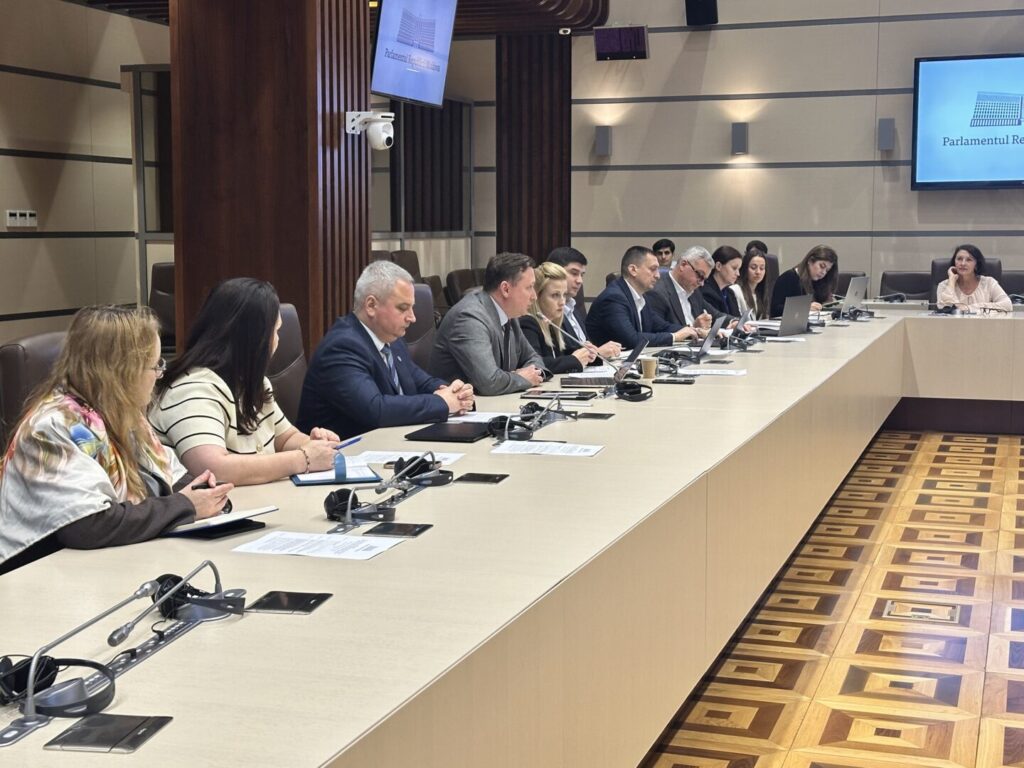
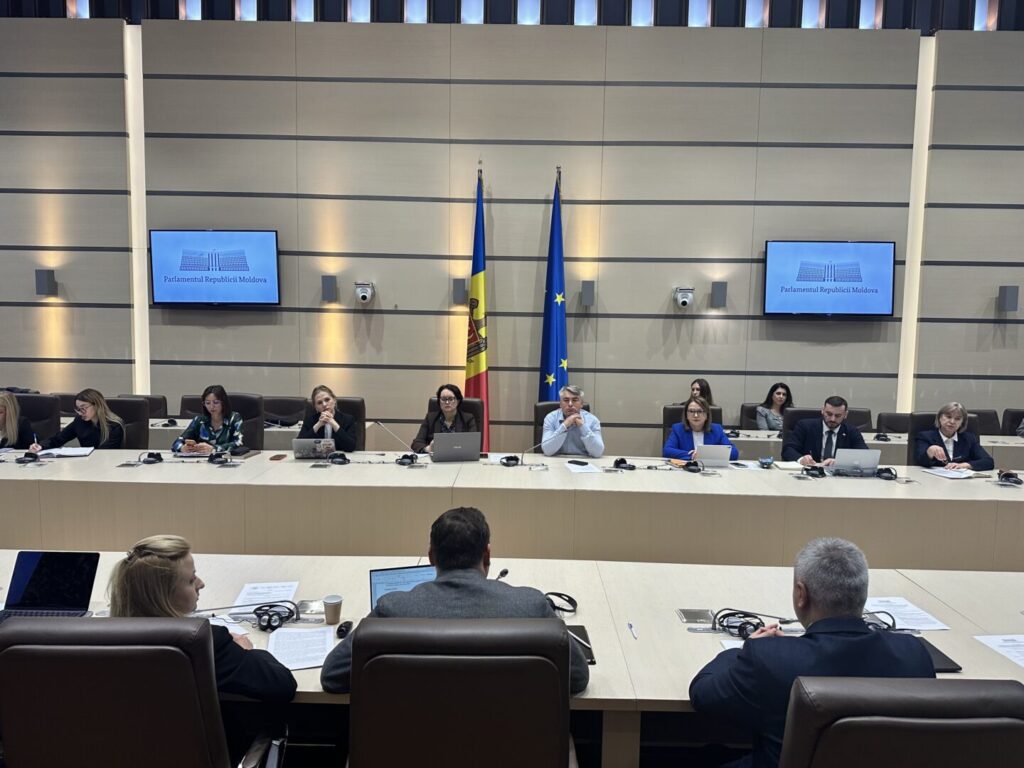
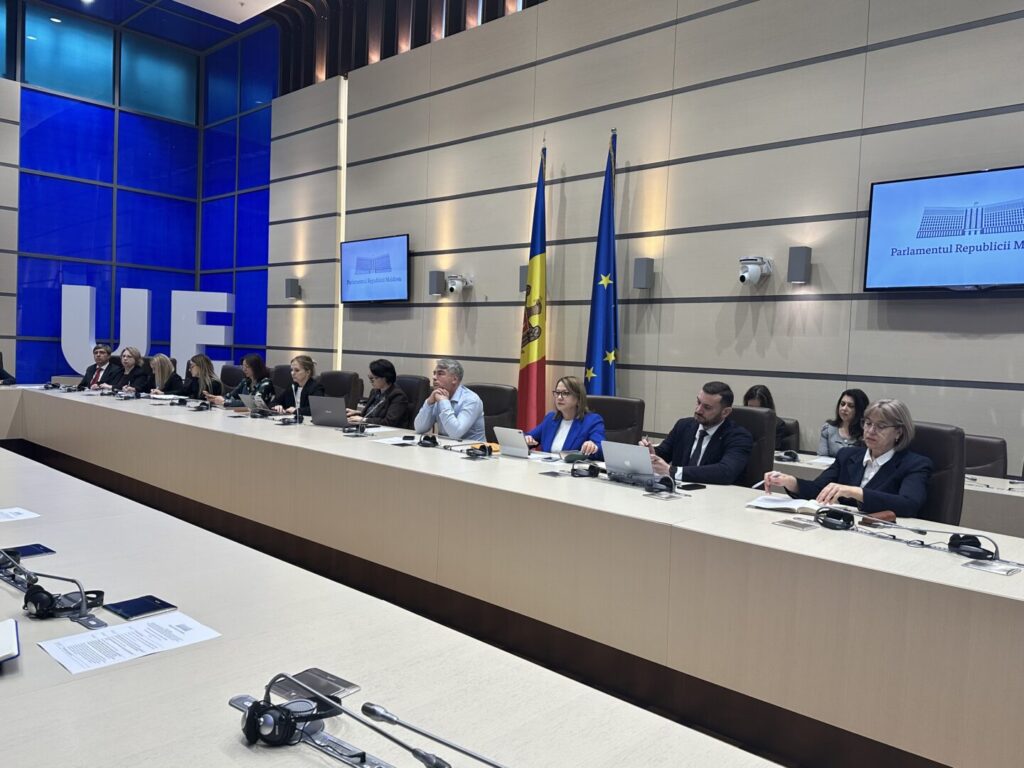
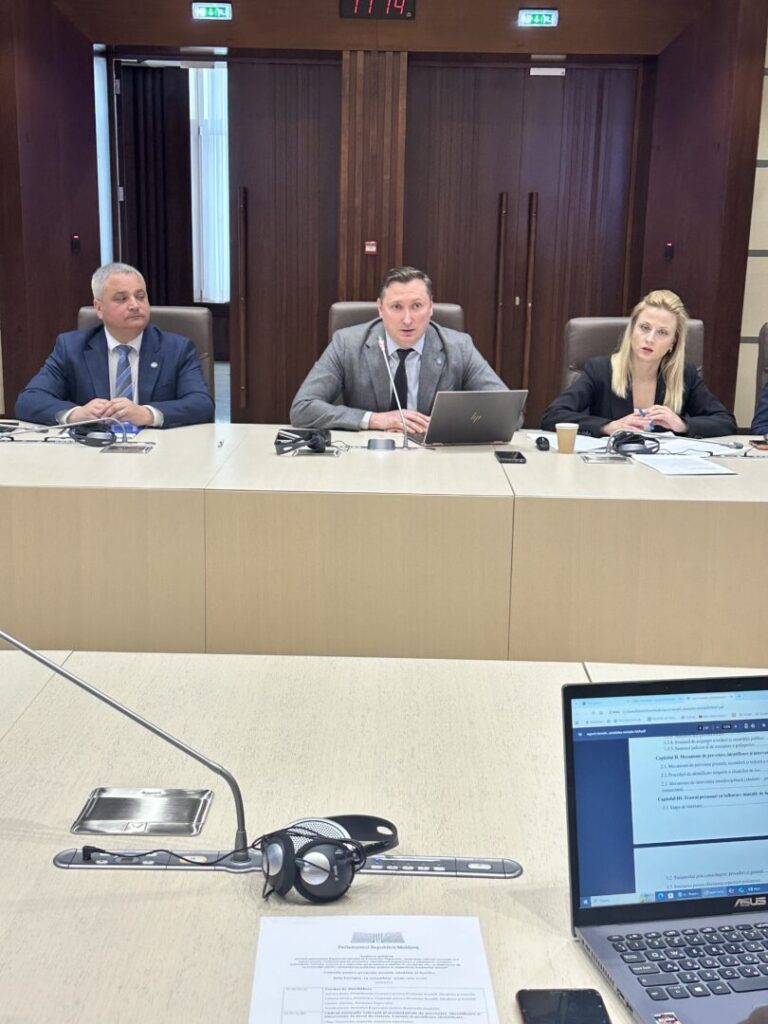
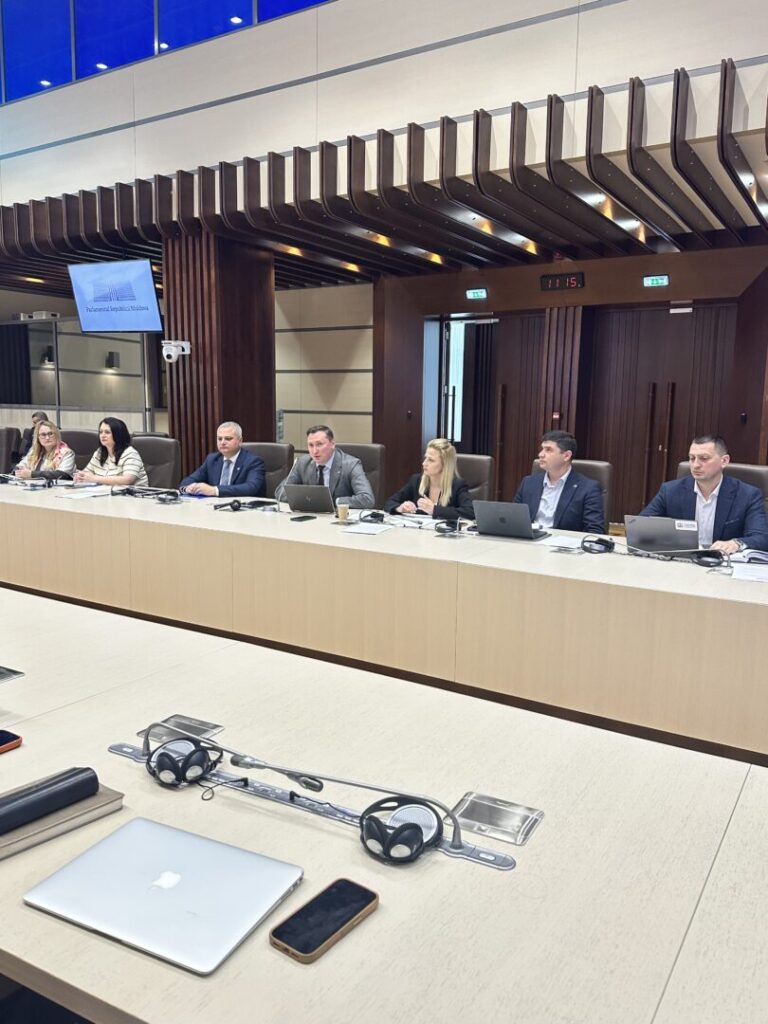
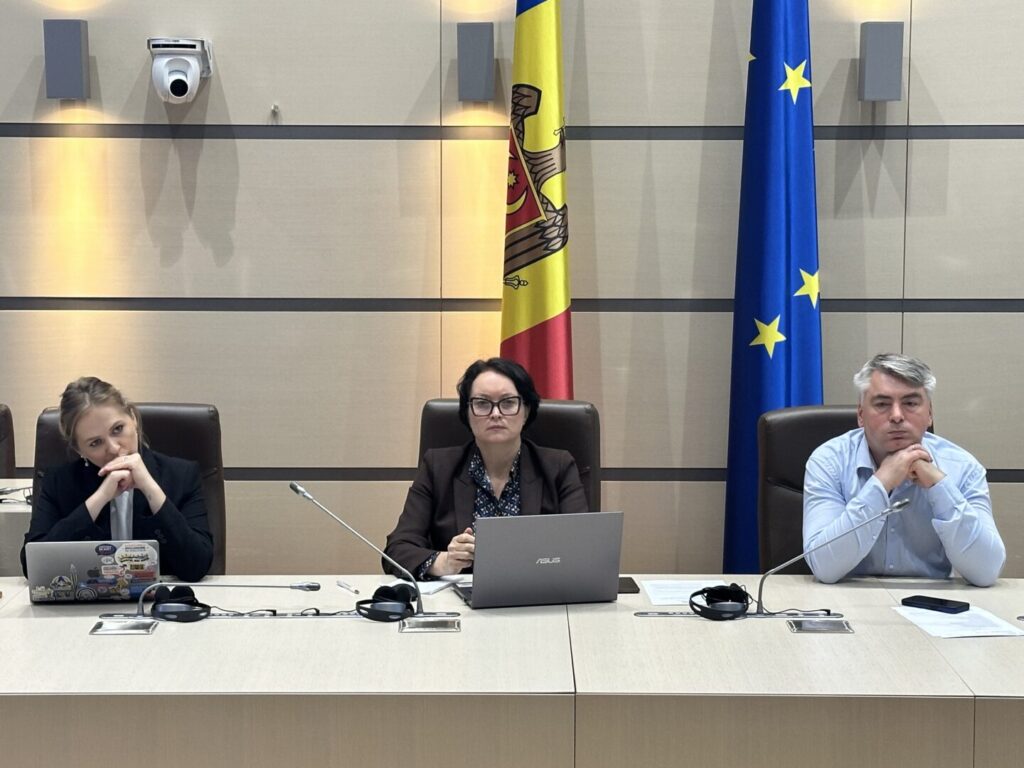
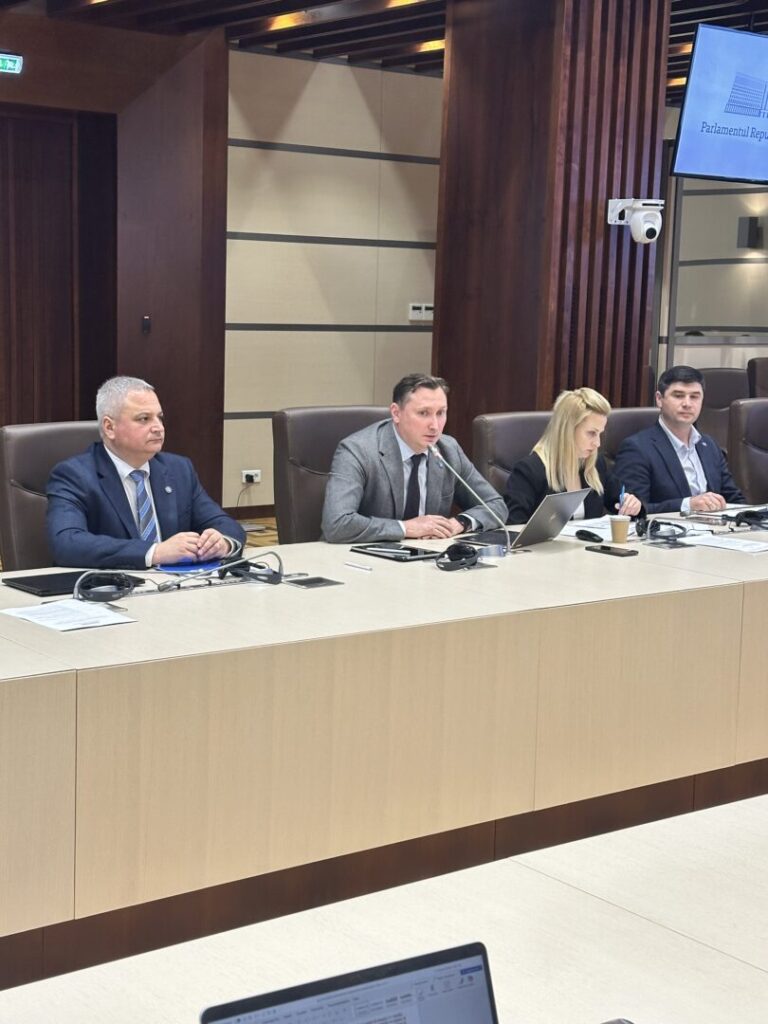
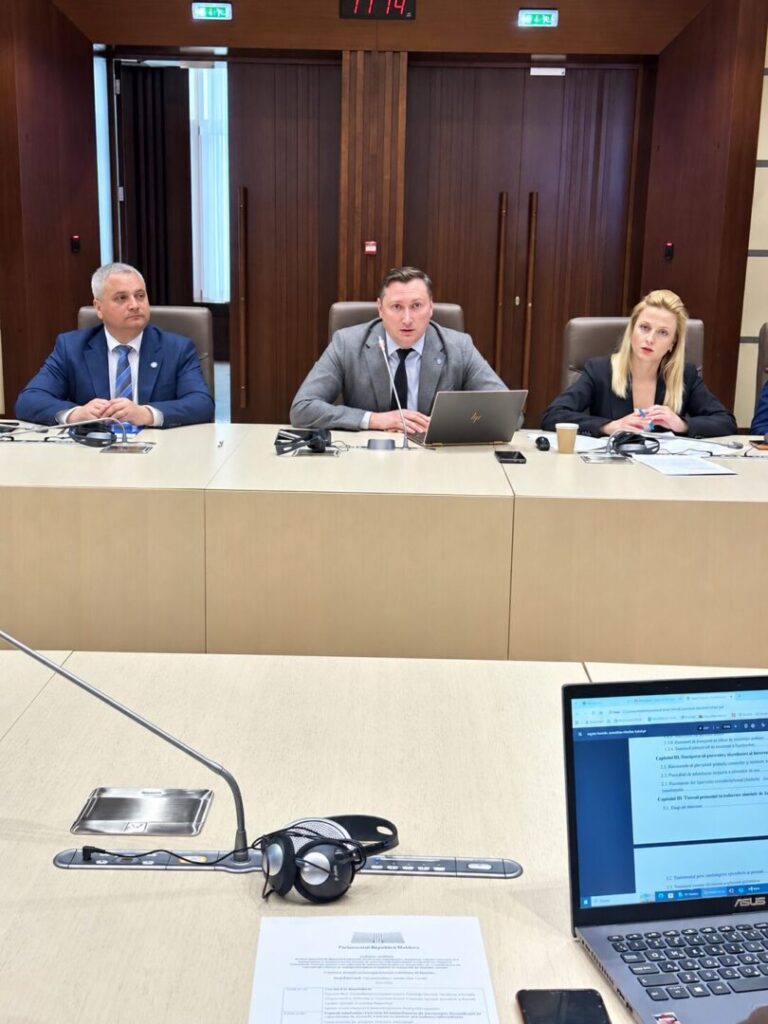
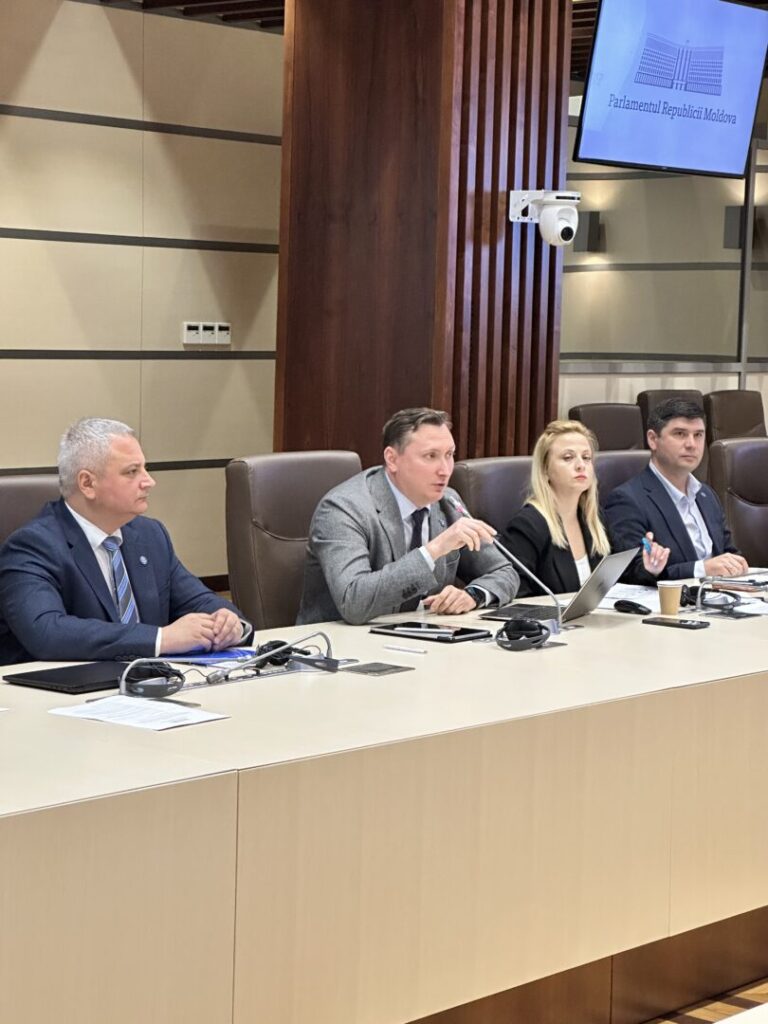
The thematic report was examined at a meeting of the Parliamentary Commission on Social Protection, Health, and Family. Its Romanian version is available for consultation on the official page of the People’s Advocate Office: https://ombudsman.md/post-document/raport-tematic-evaluarea-cadrului-normativ-si-a-mecanismelor-institutionale-de-prevenire-identificare-si-gestionare-a-violentei-in-contextul-tulburarilor-mintale-precum-si-a-mecanismelor-de-protect/