Public perceptions of the observance of human rights in the Republic of Moldova indicate a positive trend, although progress varies across different areas. Over the last two years, the most significant improvements have been recorded in the areas of the right to social protection, freedom of conscience, thought and religion, the right to education, and the right to health and medical care.
At the same time, a lower level of respect for human rights is perceived in relation to certain social groups, including people who use drugs/psychoactive substances, LGBTQI+ people, and people deprived of liberty or recently released from detention. In the case of Roma people, a slight deterioration in public perception has been observed compared to the previous study.
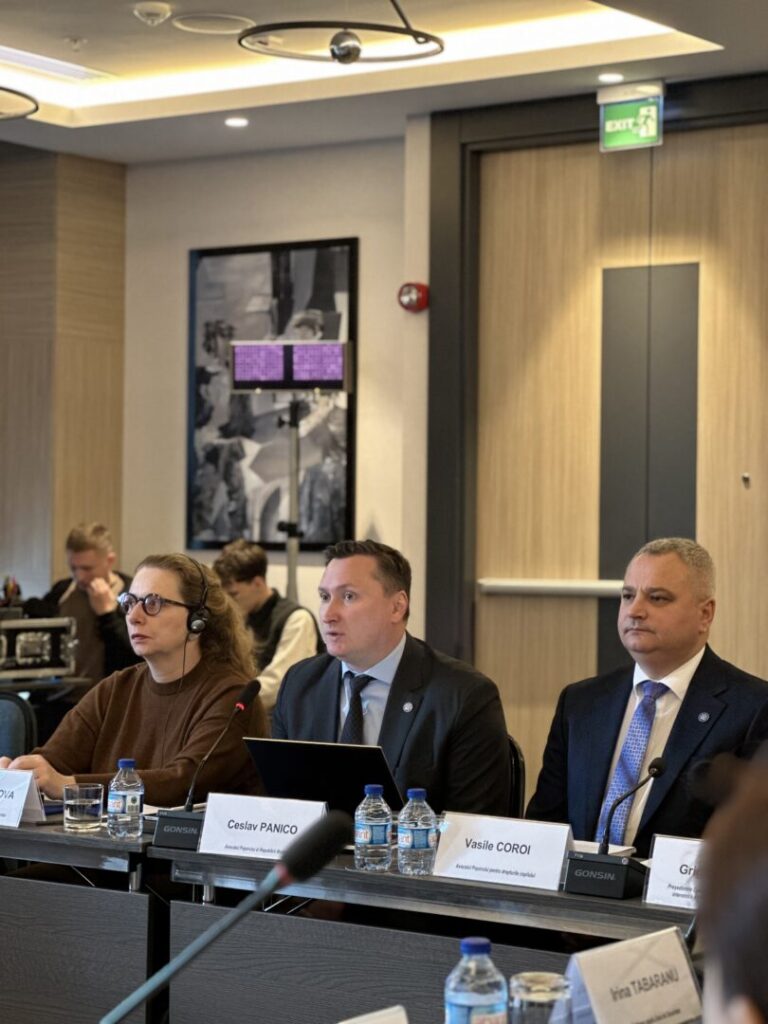
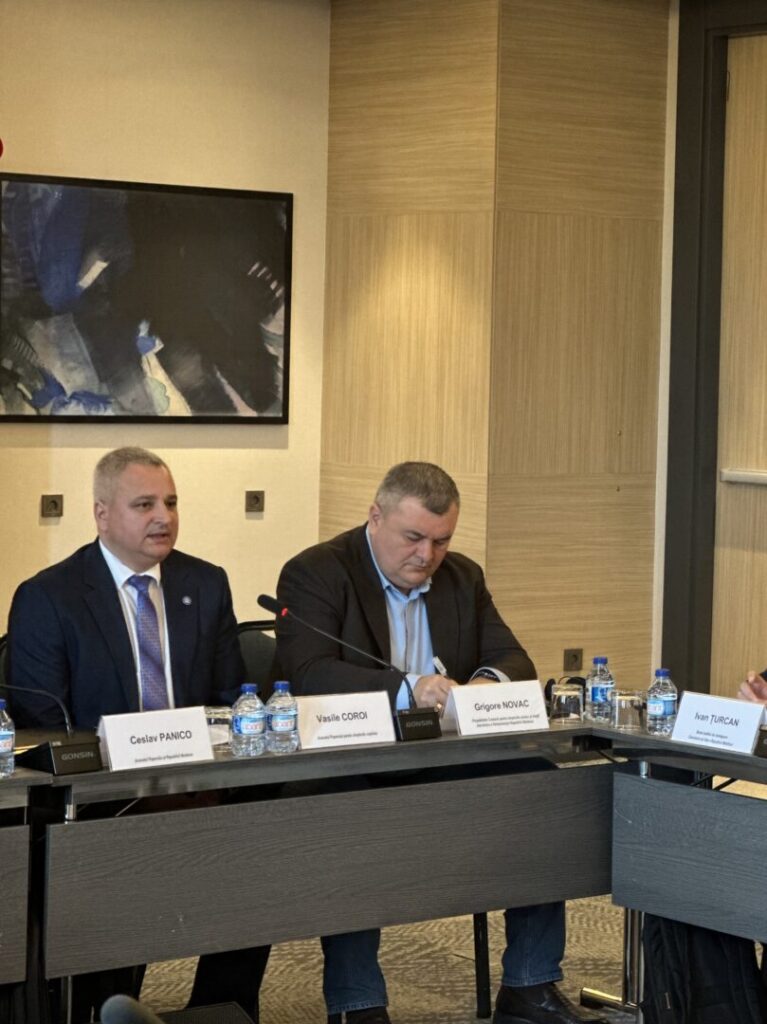
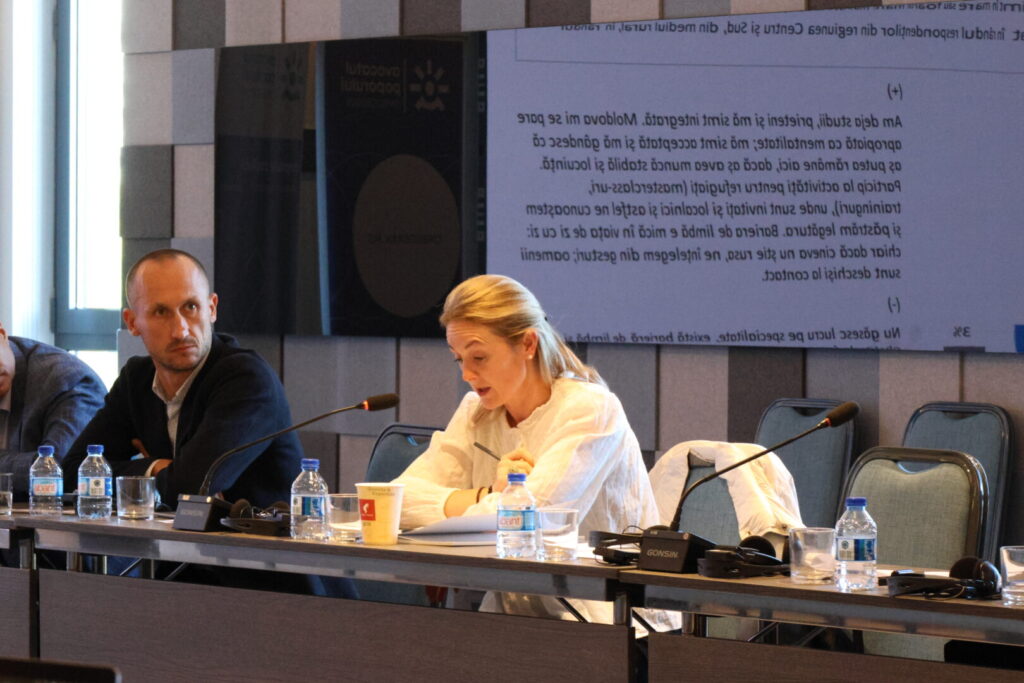
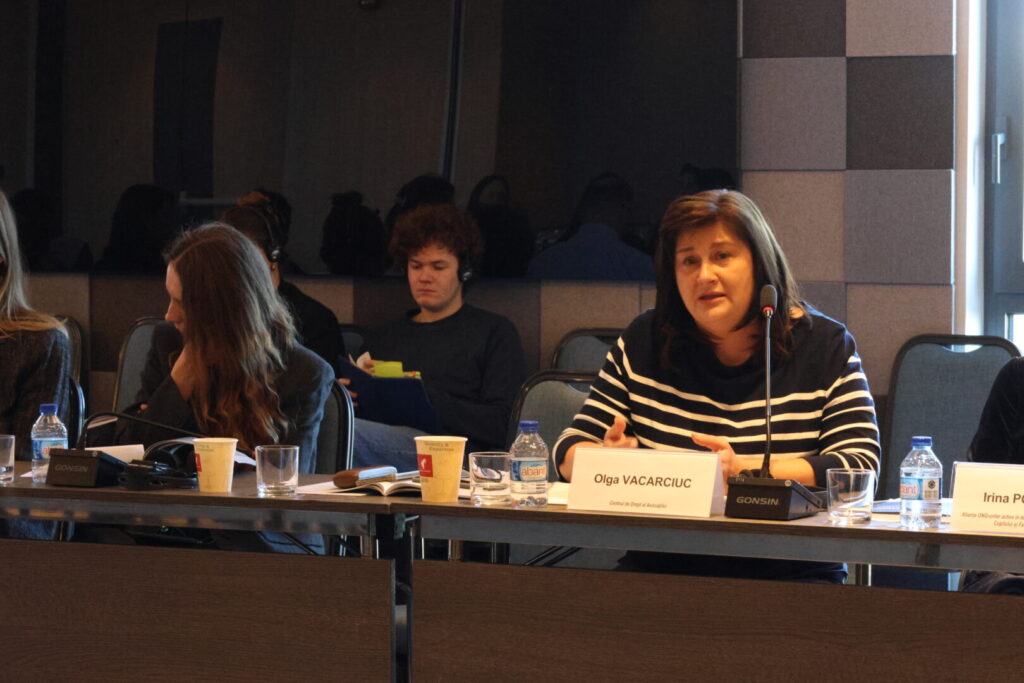
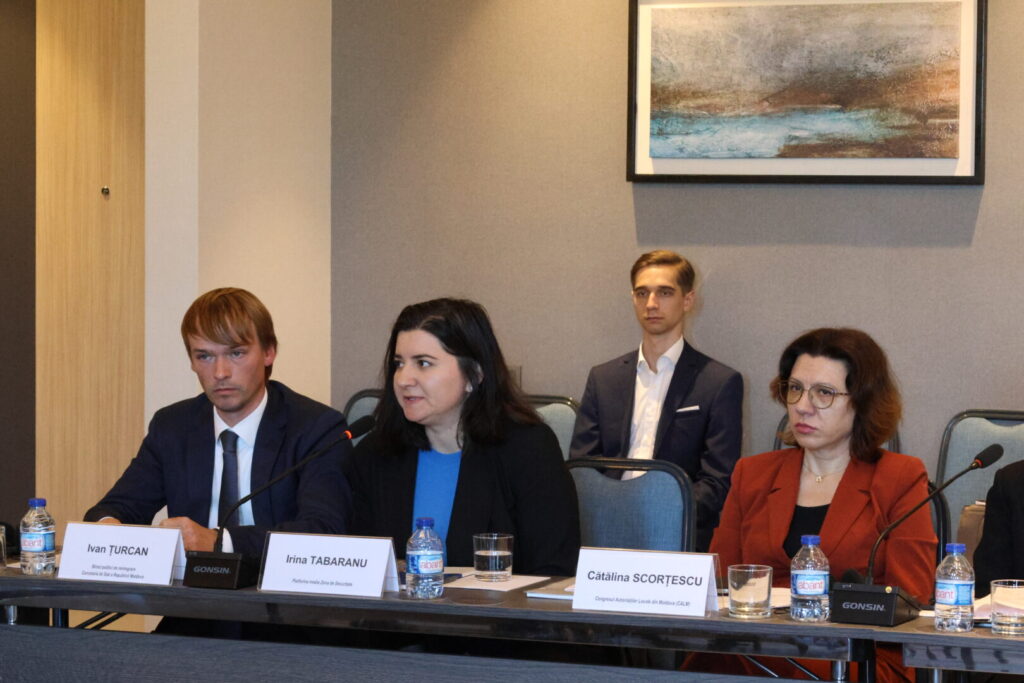
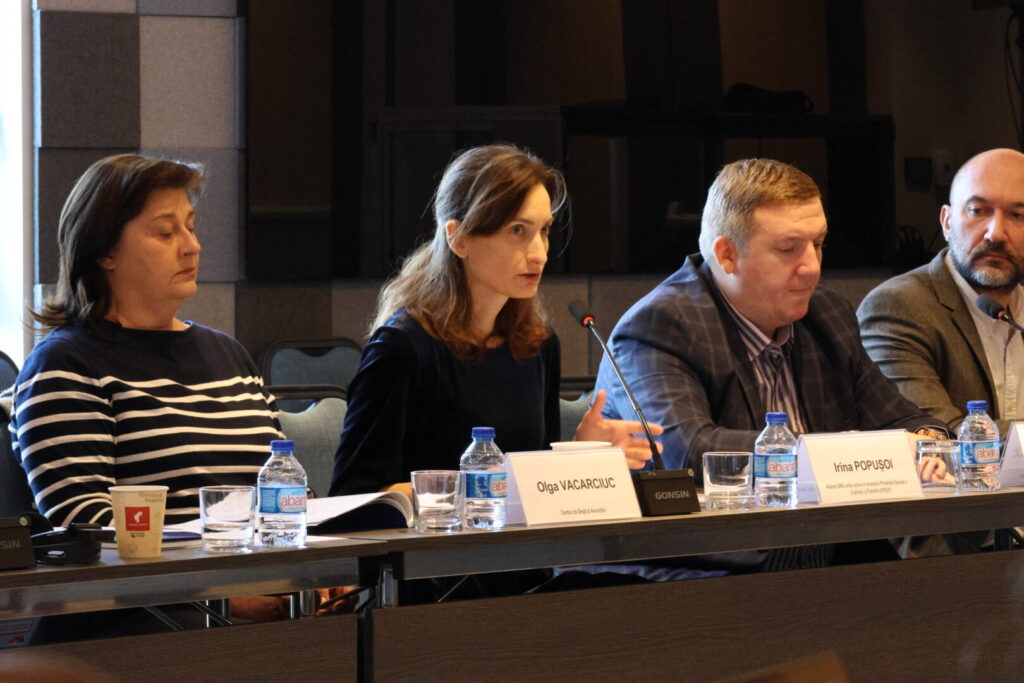
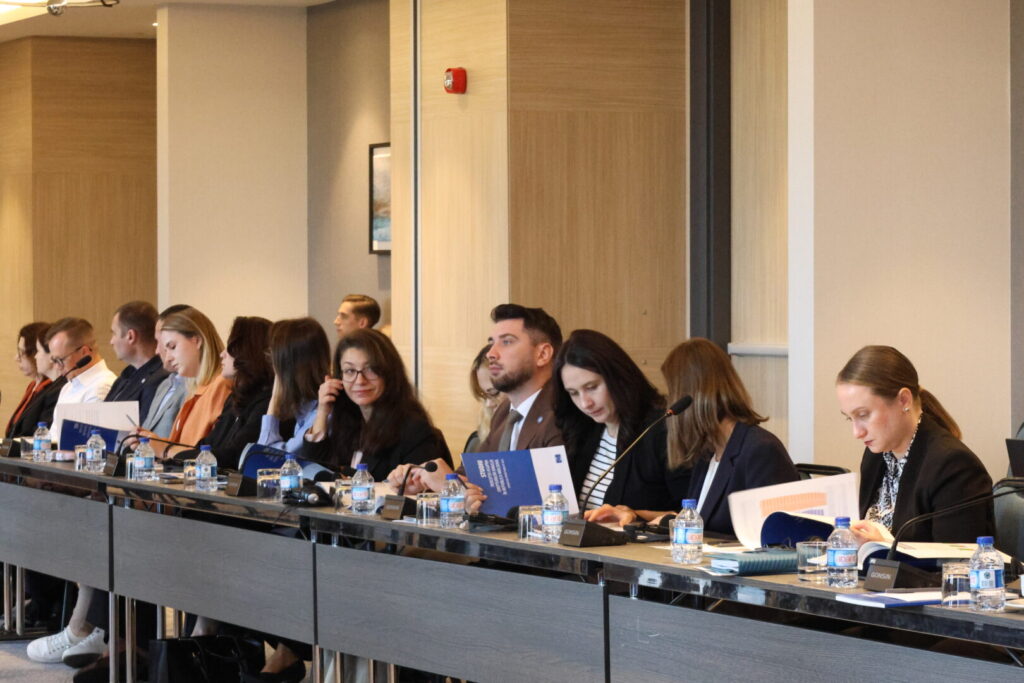
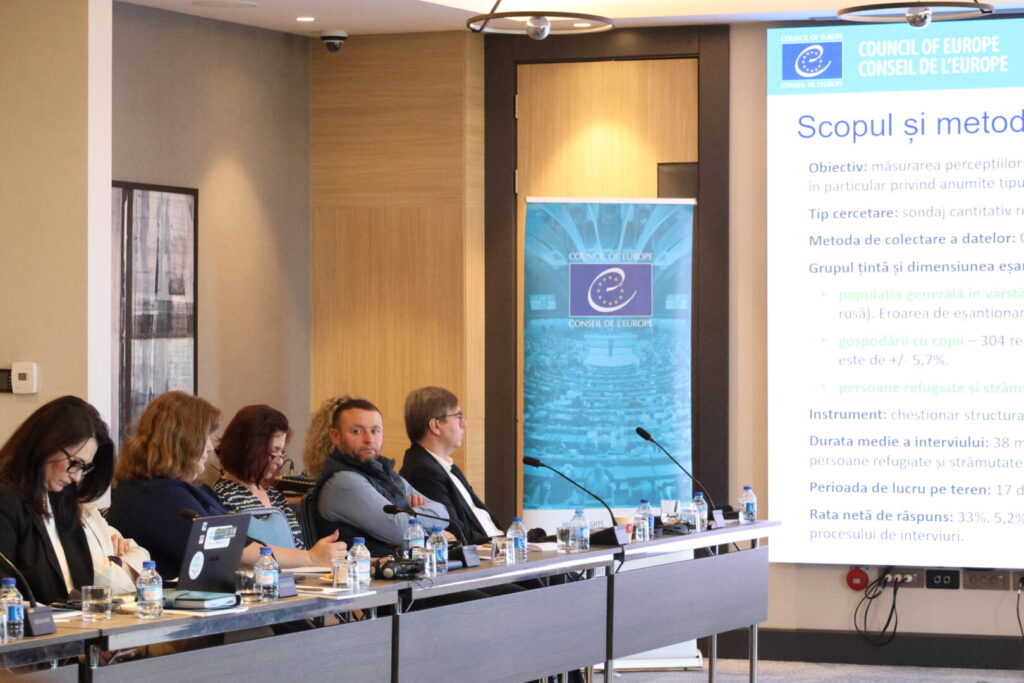
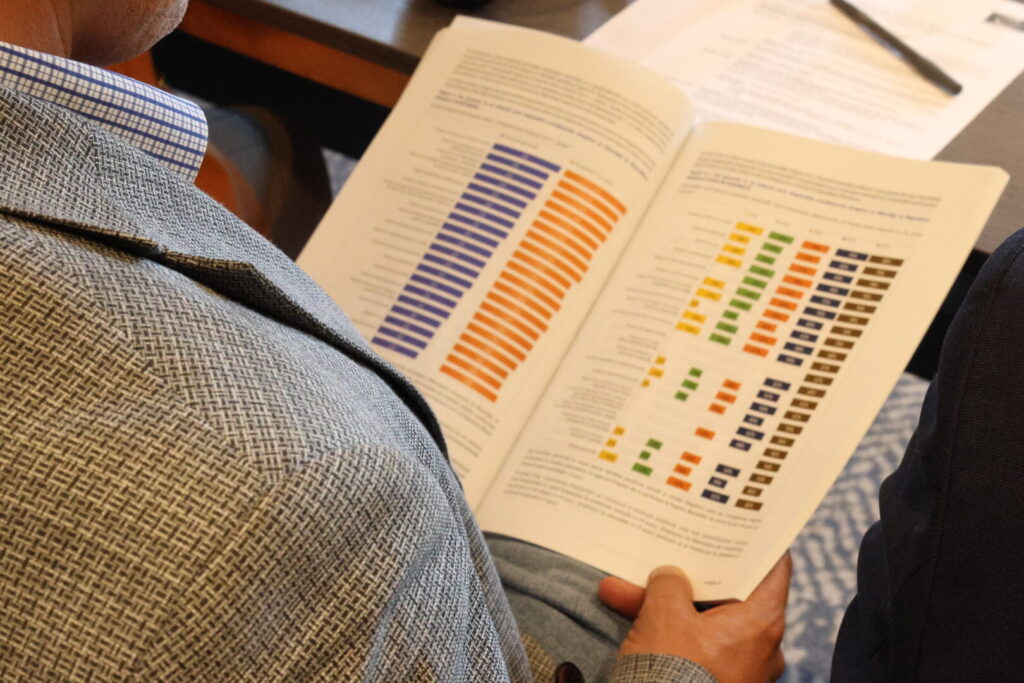
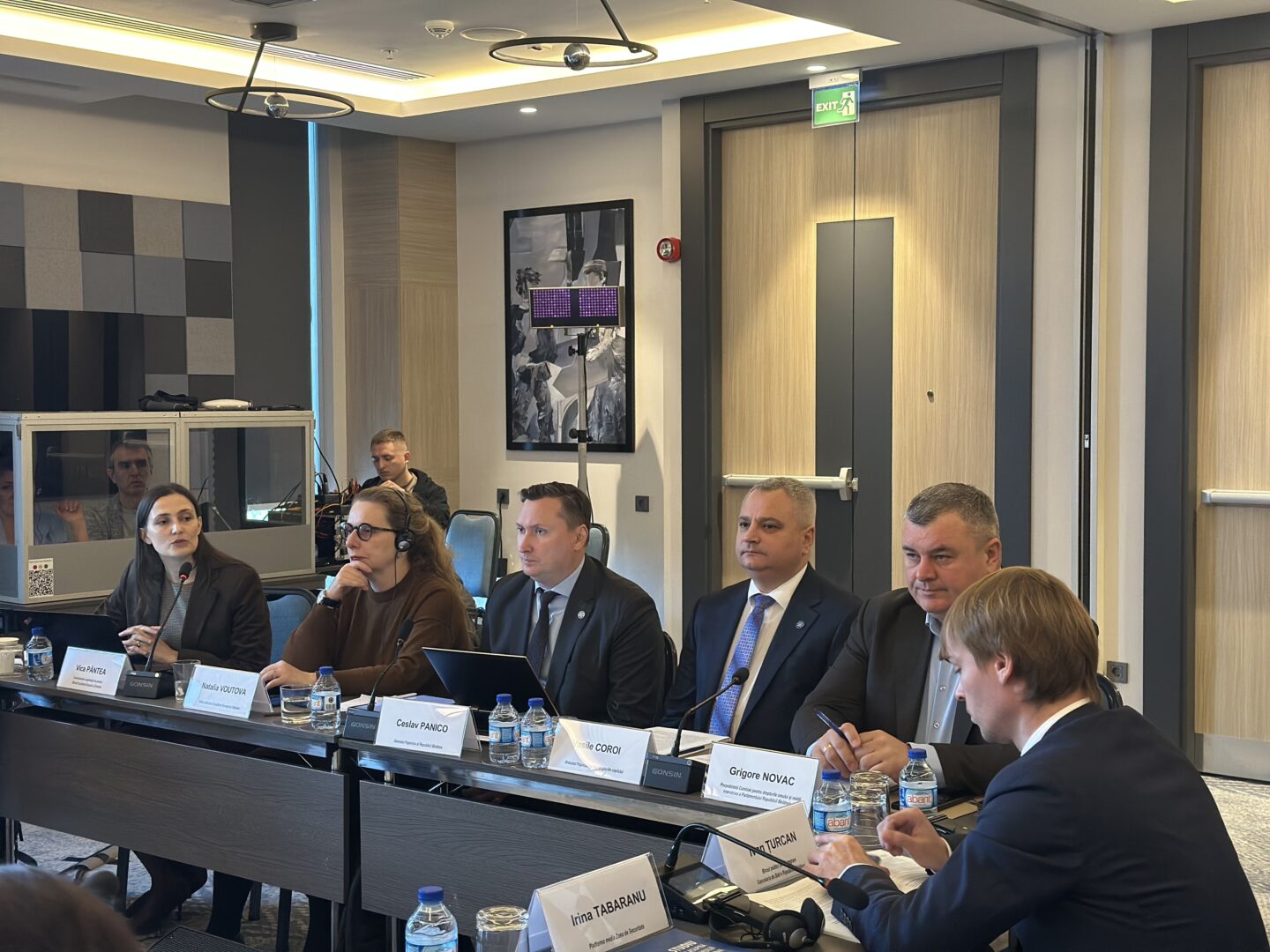
These are just some of the findings of the study “Perceptions of Human Rights in the Republic of Moldova. Public Opinion Survey 2025,” launched by the People’s Advocate Office (Ombudsman Institution).
For approximately ten years, the People’s Advocate Office has monitored trends in public perceptions regarding respect for human rights, comparing results across studies conducted in 2016, 2018, 2020, and 2023.
The 2025 study examines the level of public awareness, perceptions regarding the observance of various rights and the situation of different population groups, the functioning of protection mechanisms, child’s rights, and the situation of displaced persons. For the first time, the survey also addresses the human rights situation in the Transnistrian region through the assessments of experts and practitioners in the area.
People’s Advocate Ceslav Panico stated: “The study results show that, although perceptions regarding the observance of human rights have improved, violations are still perceived as frequent, and certain groups remain particularly vulnerable. These findings should serve as a basis for more effective public policies and concrete measures aimed at strengthening human rights protection in the Republic of Moldova.”
Frequency of Human Rights Violations
One of the study’s key findings is that the perception of frequent human rights violations remains high. 70% of respondents from the general population believe that human rights in the Republic of Moldova are violated frequently, either systematically or fairly often. Nearly one in four respondents believes that violations occur systematically.
At the same time, trend analysis reveals a positive shift in how people assess developments in this area. 24% of respondents believe that respect for human rights has improved, in comparison with 18% in the previous 2023 study. The share of respondents who believe that the situation has worsened decreased from 42% to 31%, while 39% consider that the situation has not changed.
Perceptions of Rights Protection Have Improved Over Time
Viewed over time, the results demonstrate a positive trend in public perceptions regarding the observance of various rights and freedoms. The average level of positive assessment increased from 41% in 2016 to 66% in 2025.
In 2025, the highest levels of perceived respect were recorded for: freedom of movement (80%); right to education (79%); and right to vote (78%)
At the same time, some areas are still viewed as problematic. The right to a fair trial is considered respected to a great or very great extent by 46% of respondents, the right of persons with disabilities to be free from discrimination by 55%, and participation in decision-making processes, including at the local level, as well as the right to physical and psychological integrity, by 56%.
Significant differences also emerge when respondents assess the observance of rights and freedoms among different groups. The highest levels of perceived respect are recorded for: children (73%); women (68%); and displaced persons/refugees (60%)
At the opposite end of the spectrum, the lowest levels of perceived respect are reported for: people who use narcotic drugs / psychoactive substances (29%); sexual minorities (LGBTQI+ persons) (35%); and persons deprived of liberty or recently released (35%). However, trend data also indicate improvement. The average level of positive assessment regarding the rights of different groups increased from 29% in 2018 to 50% in 2025, although progress has not been uniform across all social categories.
Chair of the Parliamentary Commission on Human Rights and Interethnic Relations Grigore Novac emphasized the study’s relevance and the efforts of the People’s Advocates: “This is not an effort to merely present figures, but to show where we stand and where our shortcomings remain in what we call respect for human rights.”
People Consider Themselves Informed, but Practical Barriers to Information Remain
The study shows that 63% of respondents from the general population consider themselves sufficiently informed about human rights, representing a 4-percentage-point increase compared to the previous study. Nevertheless, only about one in five respondents actively sought information about human rights during the last 12 months.
Access to information is affected by several practical barriers. For the general population, the main obstacle is lack of time (34%), followed by lack of trust in information sources (21%); difficulty identifying or finding necessary information (14%); and use of difficult or technical terminology (9%). Almost one in two respondents from both the general population and households with children reported being relatively strongly in agreement with the statement that there is a lack of knowledge about human rights among the population.
At the same time, approximately seven out of ten respondents from the general population believe that information on human rights and available remedies is accessible. However, accessibility is not perceived equally: 85% of young people consider such information accessible, compared to 55% of older persons. There are also differences regarding the education level: 78% of respondents with a higher level of education consider information accessible, compared to 59% of those with lower levels of education.
Where Would People Turn If Their Rights Were Violated?
When asked where they would turn first if their own rights or the rights of a family member were violated, respondents most frequently mentioned: police (50%); local mayoralty (17%); and People’s Advocate (Ombudsman) (9%)
An important finding is the decrease in the share of people who state that they would not contact any institution, from 16% in 2023 to 7% in 2025. This trend provides an important indicator for assessing the accessibility and visibility of existing human rights protection mechanisms.
Adults’ Perceptions of Child’s Rights
Consistent with previous studies, children remain the group whose rights and freedoms are perceived by adults as being the most respected. Seventy-three per cent of respondents, the same share as in 2023, believe that the child’s rights are respected “to a very great extent” or “to a great extent.”
The People’s Advocate for Child’s Rights, Vasile Coroi, highlighted the importance of including children’s perspectives in the study: “The study on perceptions of human rights has traditionally found that the population perceives the child’s rights as the most respected. I believe that the results of surveys administered to adults should be interpreted cautiously, as adults’ positive perceptions of respect for child’s rights do not always reflect the reality experienced by children. In this context, I appreciate including children’s voices in the study.”
Among surveyed parents, 67%, an increase of 5 percentage points compared to the previous study, believe that children’s rights and specific needs are fully or largely ensured in the Republic of Moldova.
79% consider themselves sufficiently informed about child’s rights, an increase of 5 percentage points compared to the previous study.
Among the rights assessed, the most favorable ratings were given to: right to education (88%); right to health (85%); and right to rest, leisure, and cultural activities (81%). The least positively assessed right is the right of children with disabilities to special care adapted to their specific needs (61%). Compared to the previous study, positive perceptions regarding the fulfillment of children’s rights increased by an average of 4 percentage points. Positive developments were recorded for almost all rights analyzed, the only exception being the right to special care tailored to the necessities of children with disabilities, for which positive perceptions decreased by 3 percentage points.
According to respondents, the most vulnerable children continue to be: children deprived of parental care/orphans (48%); children living in poverty (50%); children from ethnic minority groups and Roma children (51%); and children with disabilities (59%).
According to 64% of parents, a family’s financial resources directly affect children’s access to healthcare services.
Respondents perceive the right to education as relatively well ensured. The most favorable assessments concern: access to appropriate educational materials and resources (72%); absence of administrative barriers to school enrollment (70%). At the same time, the most significant challenges are the following: provision of school transportation (46%); adjustment of educational processes to the necessities of children with special educational needs or disabilities (41%).
Children’s Perceptions of Child’s Rights
Students of secondary schools and lyceums recognize fundamental rights related to key dimensions of child well-being. Safety is primarily associated with protection provided by family and, particularly among young people aged 15-17, by public institutions, especially the police. However, the respondents report limitations in the exercise of rights, particularly restrictions on freedom of expression at school, academic pressure affecting leisure time, and the presence of violence, especially bullying, as a significant phenomenon in educational settings. Although students generally describe the role of school psychologists appropriately, including counselling, emotional support, conflict mediation, and prevention services, and perceive them as relatively available during school hours, actual use of these services remains limited. Students are more likely to seek support from homeroom teachers, other teachers, or family members, while in serious situations they also identify the opportunity to call Emergency Service 112 as a source of assistance.
Schools are perceived as the primary source of civic education, but effectiveness depends on practical applicability, interactivity, and coherence among schools, families, and online environments. Teaching child’s rights, civic education, discussions about voting, and information about violence are generally perceived as legitimate and appropriate, mainly delivered through the subjects “Education for Society” and “Personal Development”, sometimes with police involvement in these lessons. Nevertheless, respondents point to a gap between exposure to information and its internalization. Lyceum students value lessons more when rights are linked to responsibilities and supported by practical examples. Similarly, information about violence is considered more effective when delivered through interactive methods and youth-friendly media formats.
Participation exists, but formal mechanisms are used selectively, and specialized institutions remain largely unknown. Participation is associated with active involvement and the right to express opinions. Students appreciate student councils and consultation mechanisms, although some young people report limited consultation and predetermined decisions. Awareness of mechanisms for reporting rights violations and violence is moderate and varies by age. Gymnasium students rely mainly on parents and homeroom teachers, while lyceum students tend to seek solutions independently and rarely use formal mechanisms. Specialized institutions such as the Child’s Advocate (Child’s Ombudsman) are largely unknown, and the concept of “Children Human Rights Defenders” is not understood as a formal notion but rather interpreted intuitively.
The Importance of the Study
The significance of the study goes beyond informing the public about perceptions. The data collected can contribute to a better understanding of the situation and help identify areas where interventions are needed.
Head of the Council of Europe Office in Chisinau, Natalia Voutova, emphasized the importance of evidence-based policymaking: “Data are extremely important when developing public policies, and thus, we need data collected objectively and rigorously. This study provides an important basis for understanding where we are in the field of human rights and for identifying areas where action is needed.”
The Romanian version of the Study is available here: https://ombudsman.md/studiu-perceptii-asupra-drepturilor-omului-in-republica-moldova-sondaj-de-opinie-publica-2025/
Through its findings, the Study “Perceptions of Human Rights in the Republic of Moldova” not only captures the situation at a specific point in time, but also enables observation of how public perceptions evolve. The data contribute to identifying vulnerabilities and provide an evidence base for public policies and institutional measures aimed at strengthening the protection of fundamental rights and freedoms.
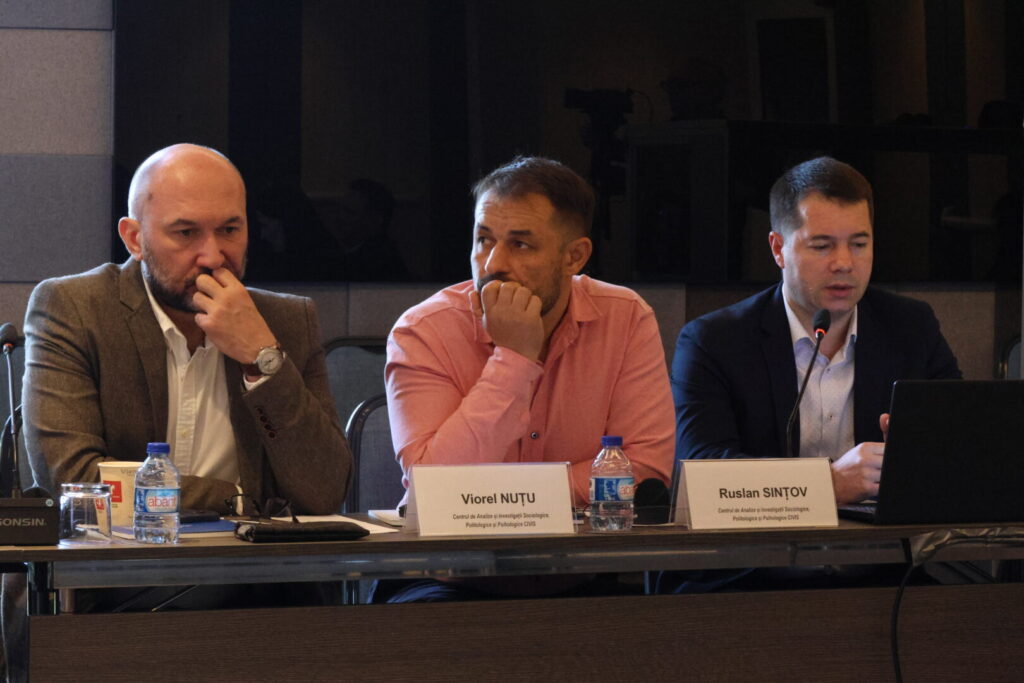
The study was conducted by the CIVIS Center for Analysis and Investigations in Sociology, Political Science and Psychology, with the support of the Council of Europe.