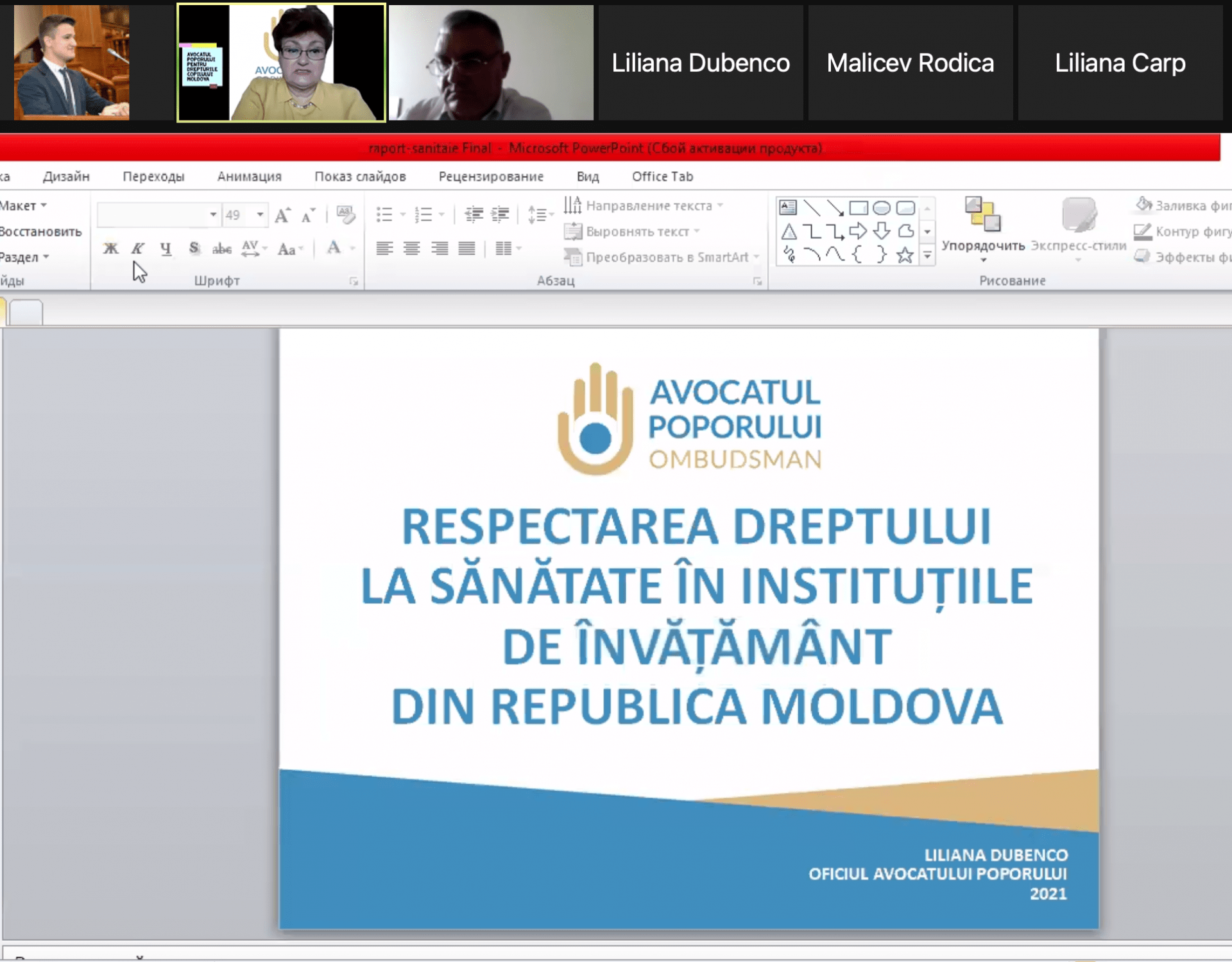
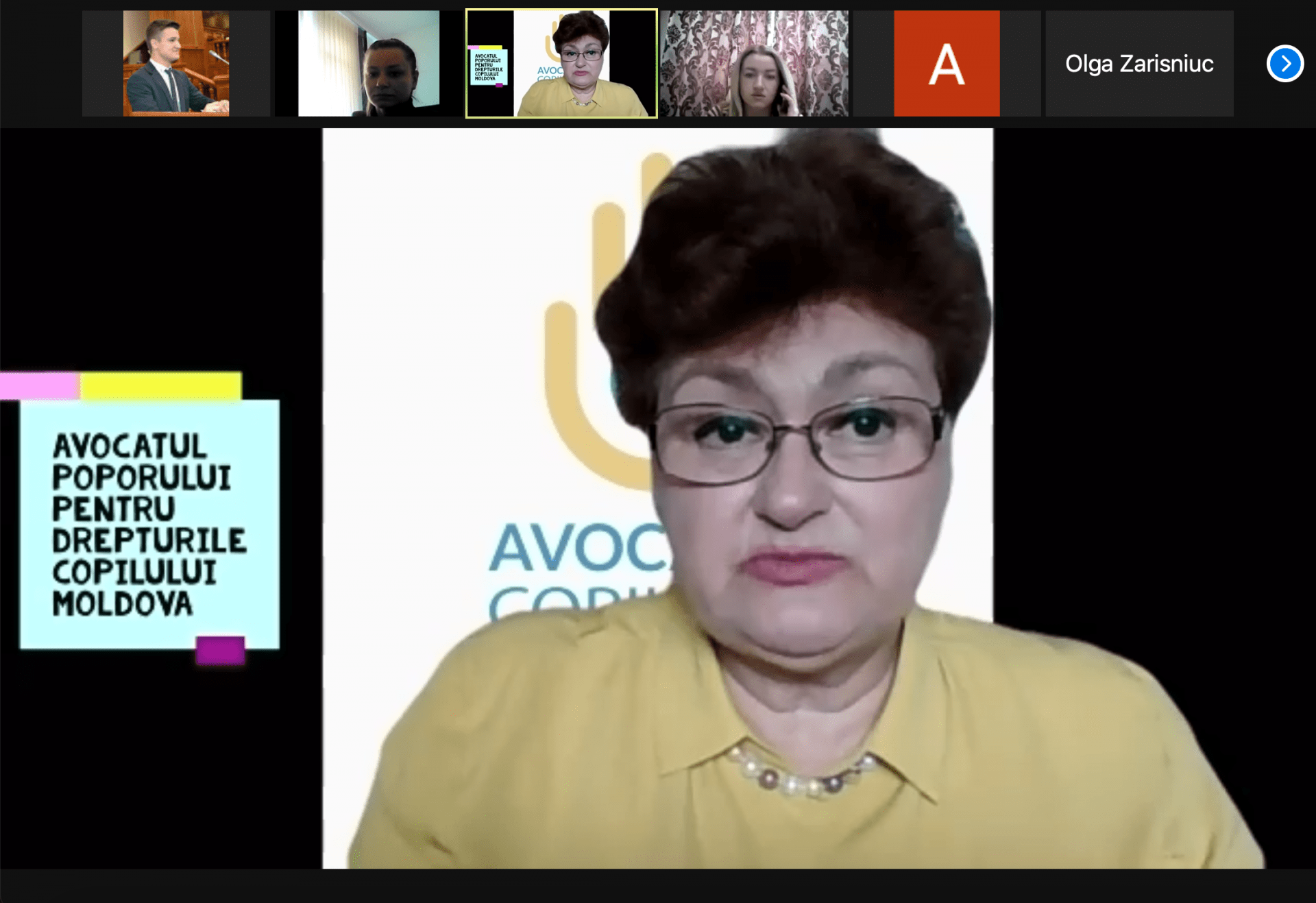
People’s Advocate for the Child Rights: Ensuring proper sanitation and access to quality drinking water in schools remains a major challenge for state authorities in 2021. Maia Bănărescu following the Thematic Report “Observance of the child’s right to health in educational institutions” in this regard made findings. The report was presented publicly, on June 3, 2021, during an online event.
The team of the Child Ombudsman has monitored in recent years the sanitary conditions in educational institutions in terms of ensuring the child’s right to health, and the presented report, developed as a result of monitoring, includes analysis of access to quality drinking water, sanitation and hygiene, medical offices, the activity of the medical specialist within the educational institution.
The People’s Advocate for Child’s Rights, Maia Bănărescu, came to the conclusion that the situation regarding the provision of drinking water in schools is an alarming one. In 11 out of 31 districts, some schools use water from wells and springs because they are not connected to centralized or local drinking water supply aqueducts, the reason being the lack in the locality of the aqueduct and sewerage system and / or financial resources for connection to these. In some schools, drinking water is purchased in bottles either at the expense of the institution or the parents.
Another serious problem found, which affects the realization of the right to health by not ensuring adequate sanitation conditions, is the condition of toilets in educational institutions. The study found that most toilets (especially in rural areas) are old rooms, located in the school yard, accessible to any stranger, do not provide privacy, have no sewerage, are in the shape of a hole in the floor, unhealthy and smelly.
According to the data of the Ministry of Education, Culture and Research (SIME 2020 [1]), in 30.9% of educational institutions (351 schools) the toilets are outside the institution building and need to improve the hygienic-sanitary conditions.
The Child Ombudsman also found that, although the requirement to provide medical workers in schools is largely met, 113 out of 1266 educational institutions do not employ medical workers, mainly due to low wages. The situation is the same with the medical offices – although the study finds that in most educational institutions they exist, they are insufficiently equipped, having only the minimum of medicines and medical equipment, which do not cover the real needs.
In the process of elaborating the study, in March-May 2020, an opinion poll was conducted among children from Moldova, in which 1850 students participated, of which respondents from urban areas – 1501, and 249 – from rural areas. In the Questionnaire proposed to children, to the question where children drink water, the following answers were given: 727 of the respondents (39.3%) state that their only source of water are the toilets (bathrooms, toilets). At the same time, 529 students can drink water only in the canteen, and in the case of 220 of them on each floor there is a tap where they can drink water. Only 131 of the children stated that they provided water in the classroom in the bottles, 66 of the students said that there is a water bottle on each floor of the school, and the rest of the respondents state that they take drinking water bottles from home.
The Child Ombudsman recommended to the Government, the central public authorities adopt financial regulations and allocate financial resources to ensure appropriate conditions for the child’s development; to finalize without delay the implementation of the Protocol on Water and Health in the Republic of Moldova for the years 2016-2025, in particular point 2, Ensuring 100% of children’s access to improved water sources in kindergartens and schools. Maia Bănărescu also recommended the revision and harmonization of the legal framework assigned to the segments evaluated in the study, in particular, the Decision of the Ministry of Health no. 21 of 29.12.2005 Regarding the approval and implementation of the state sanitary-epidemiological rules and norms “Hygiene of primary, secondary and high school education institutions”.
Present at the event, members of the Children’s Parliament from the DARE Regional Program of the Diaconia Social Mission of the Metropolitan Church of Bessarabia expressed their opinion on the observance of the child’s right to health in educational institutions, noting that this right is partially respected.
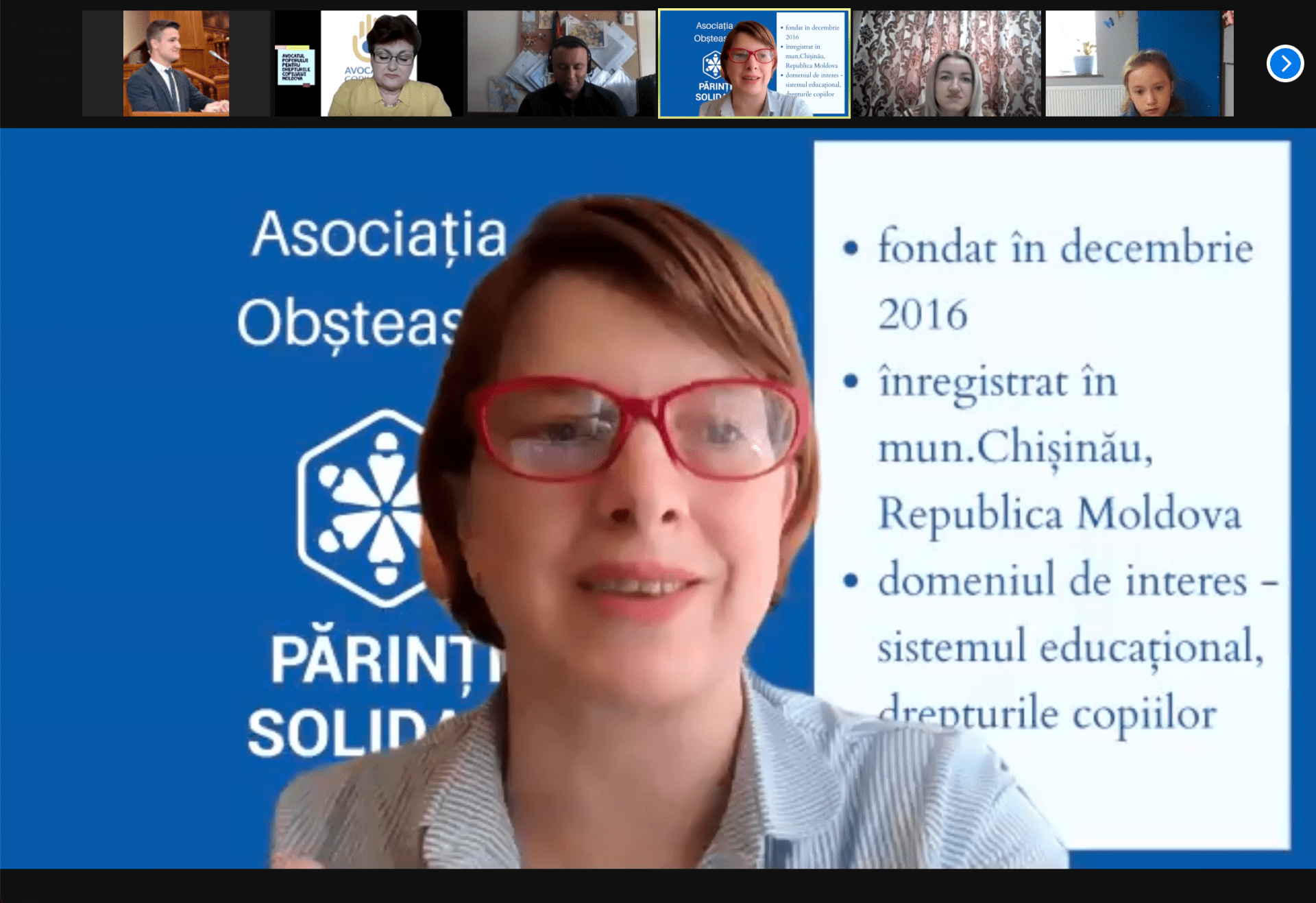
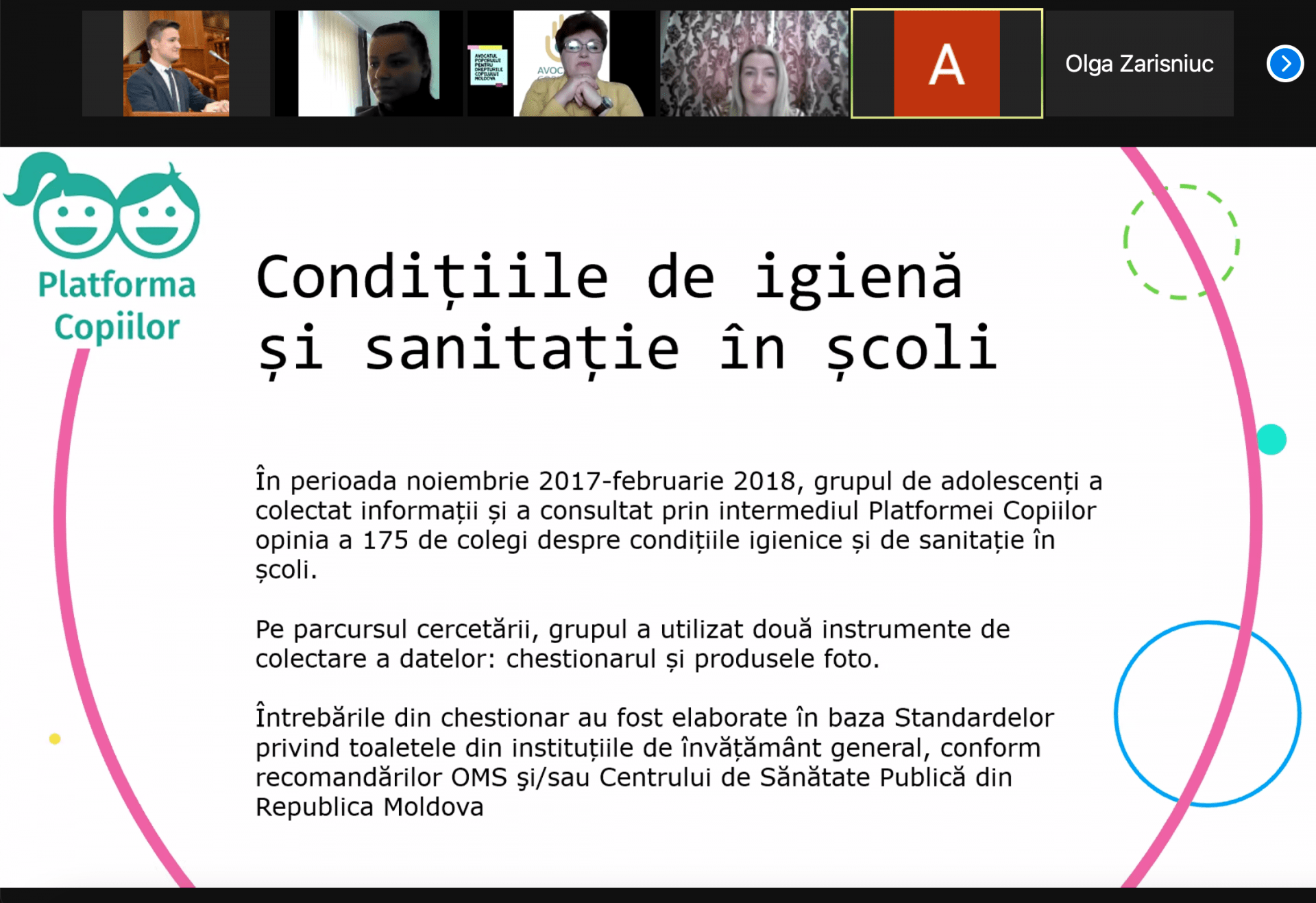
The representative of the Children’s Platform attached to the Center for Information and Documentation on Children’s Rights (CIDDC), Anastasia Suslov, presented the findings of the Report “Hygiene and sanitation conditions in schools”, prepared by members of the platform between November 2017 – February 2018, noting that on school hygiene remained the same in 2021. With an intervention in this regard, came the executive director of AO “Solidarity Parents”, Ala Revenco, who mentioned about the difficulties faced by children and parents during the COVID-19 pandemic.
The Secretary of State of the Ministry of Health, Labor and Social Protection, Tatiana Zatîc, supported the opinion of the Child Ombudsman on the need for a cabinet and medical staff in all educational institutions, as well as the necessary conditions for compliance with hygiene requirements.
The head of the General Education Directorate of the Ministry of Education, Culture and Research, Valentin Crudu, mentioned that the recommendations in the report presented by the Child Ombudsman are relevant, and the situation regarding sanitation in schools can be solved only through joint efforts, the elaboration of a concrete action plan in this regard.
Representatives of the Ministry of Finance said that financial resources to improve the situation on school sanitation can be allocated, but that for this to be launched the proposal to amend the Budget Law, as well as – planned resources for this purpose in the budget for 2022-2023.
The People’s Advocate for Child Rights, Maia Bănărescu, specified that she will continue monitoring the observance of the right to health in educational institutions and will organize other public meetings to discuss the subject with the second level public administration – the founders of educational institutions and other stakeholders.
The event was attended by 65 people, representatives of the Ministry of Education, Culture and Research, the Ministry of Health, Labor and Social Protection, the Ministry of Finance, district of the education departments, educational institutions, NGOs and children.
The full report can be read here:
http://ombudsman.md/wp-content/uploads/2021/04/RAPORT_SANITATIE_RED-2021.pdf
Human Rights Promotion and Communication Department
Tel. 060002656
Child Rights Department
Tel. 060002645
[1] Management Information System in Education