Issues regarding the quality of medical services for premature infants, discussed by the Children’s Ombudsman and experts, decision makers in the field
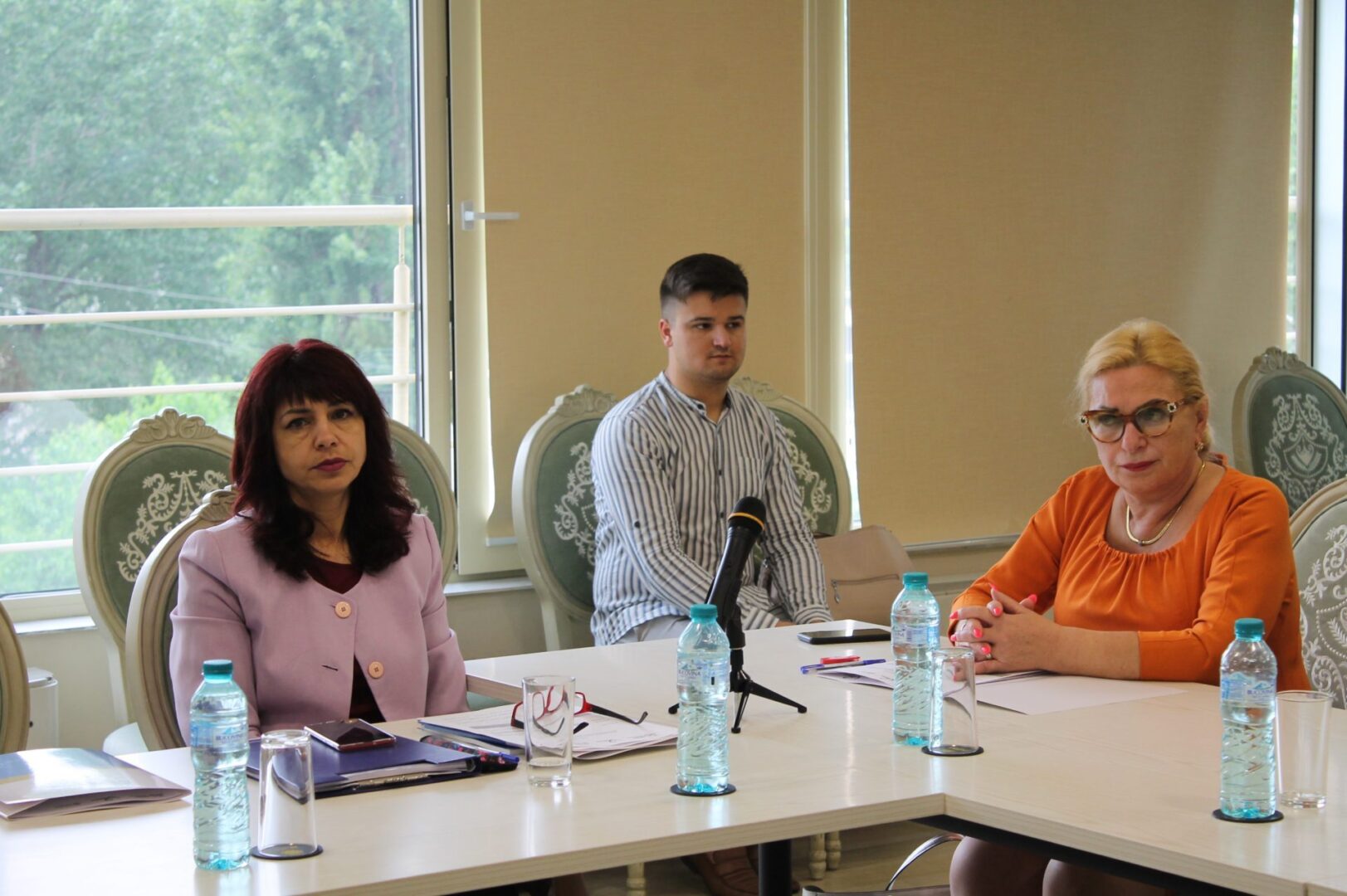
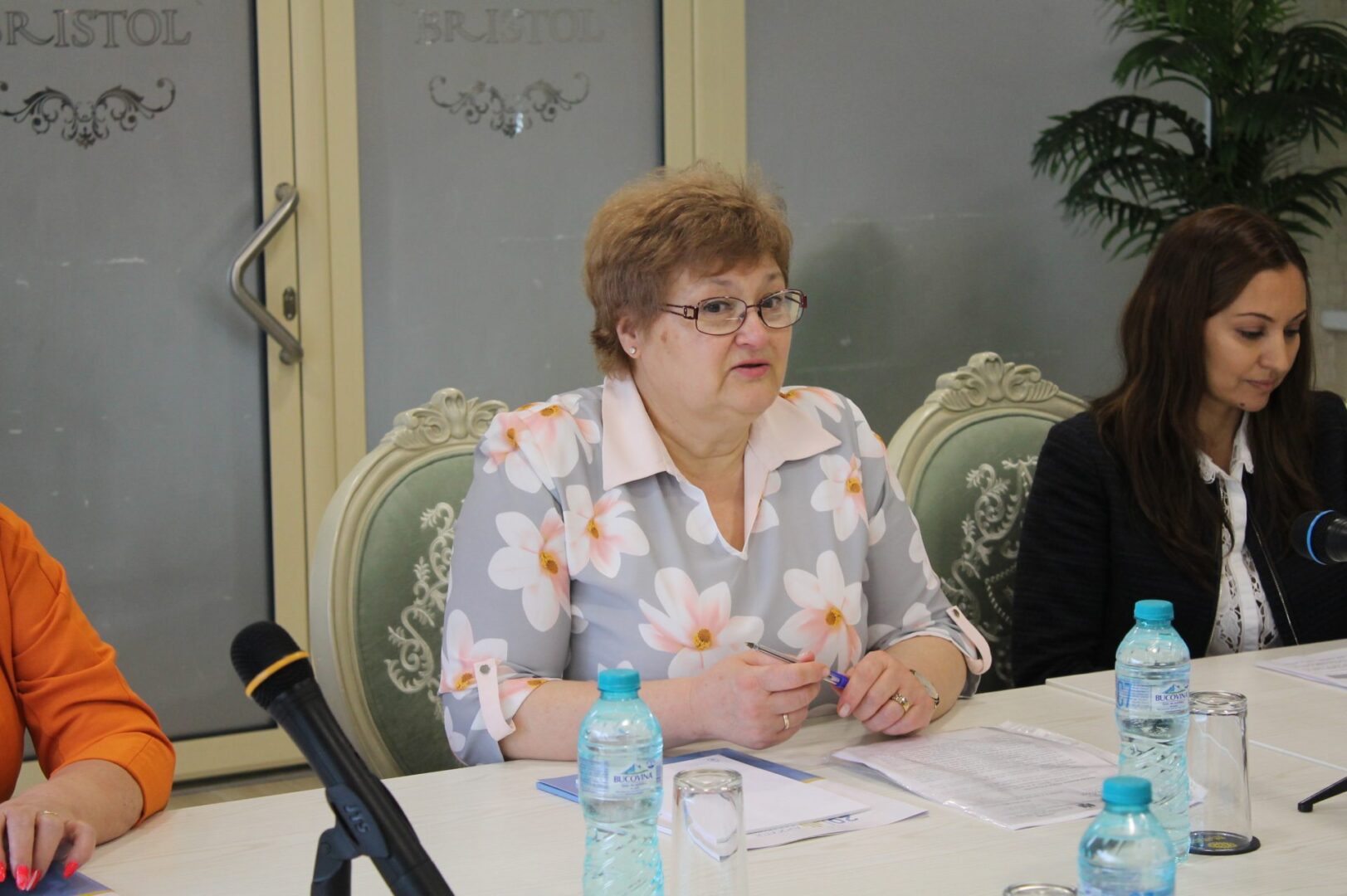
Children’s Rights Ombudsperson, Maia Banarescu, discussed with decision makers and experts on various issues related to the provision of medical services for premature infants.
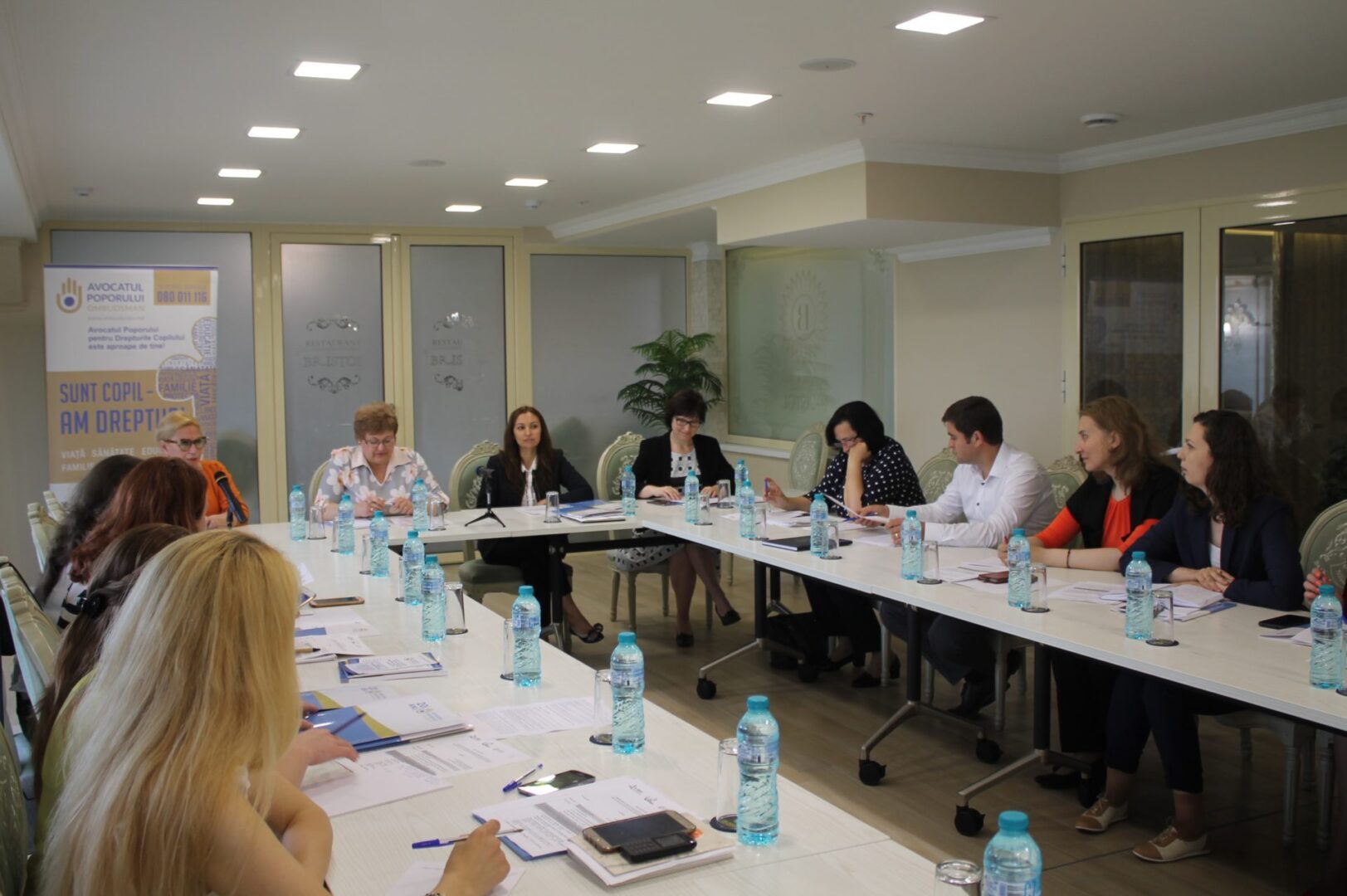
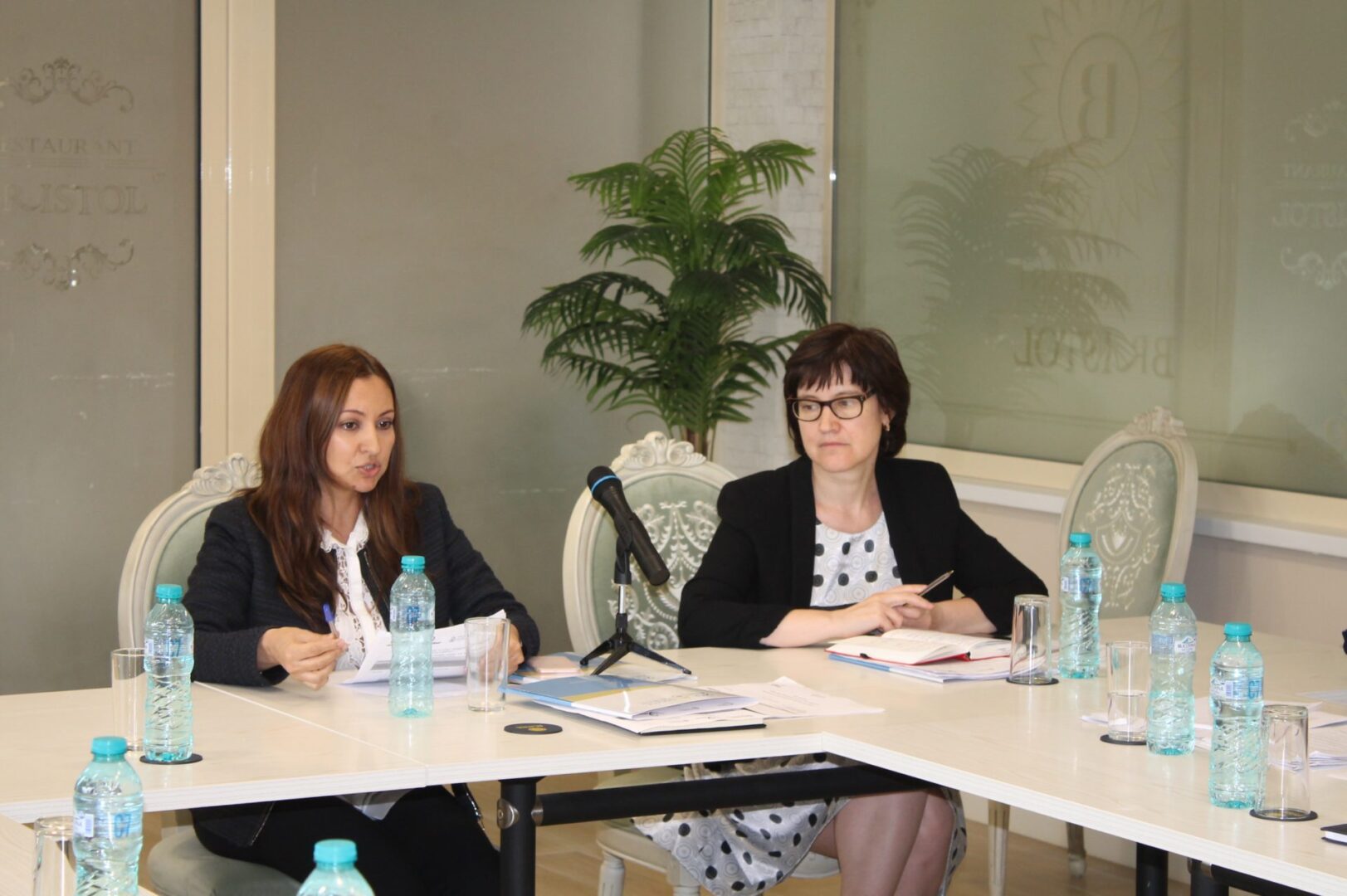
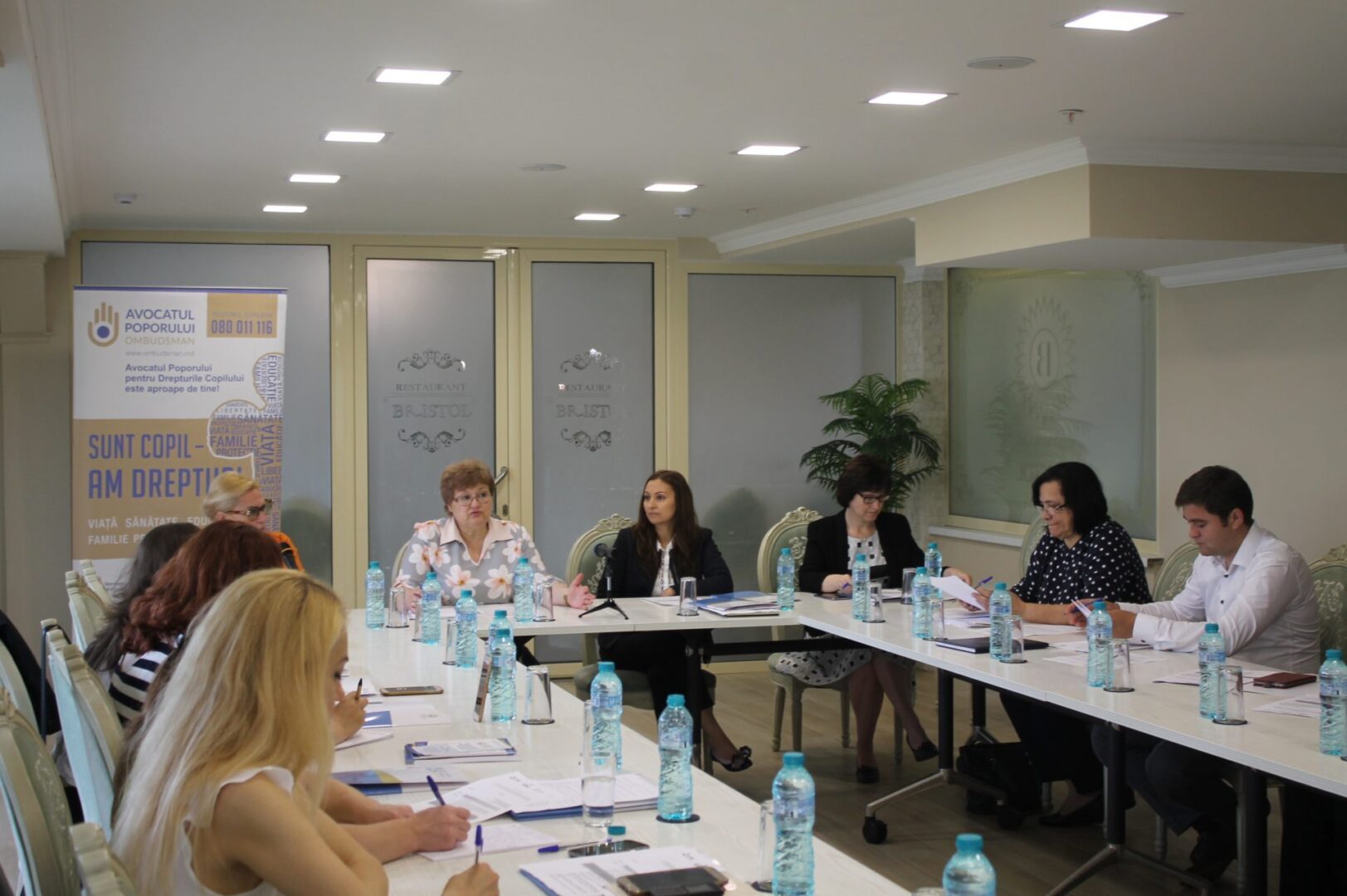
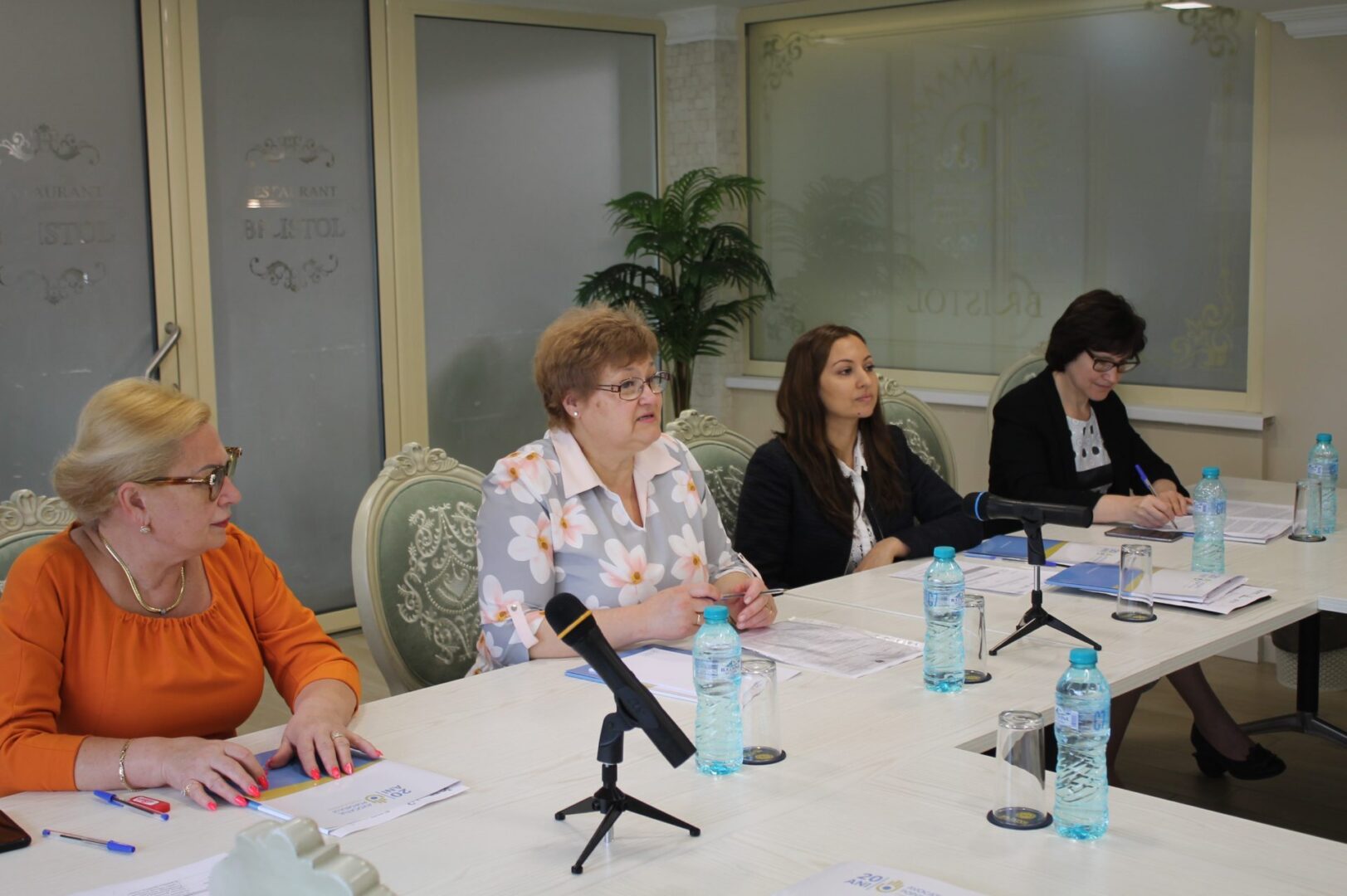
The exchange of views took place on May 31, 2019 within the round table „Problems of prematurity in the Republic of Moldova: achievements and actions to identify solutions”, organized by the Children’s Ombudsman in collaboration with the National Association of Premature Infants of the Republic of Moldova „Vitae”. The main objective of the round table was to assess the actions taken by authorities following the adoption of the Resolution of the conference „Prematurity in the Republic of Moldova: challenges and opportunities” of November 14, 2018.
The representatives of the Ministry of Health, Labor and Social Protection, of the National Medical Insurance Company, of the National Social Insurance Company, of the National Bureau of Statistics, of the Public Medical-Sanitary Institution Institute of the Mother and Child, of the civil society, UNICEF Moldova participated in the discussions.
Children’s Rights Ombudsperson, Maia Banarescu, stressed that at present the medical system does not always provide quality services for newborns, particularly for those born prematurely. This happens, including, due to inadequate endowment with the necessary machinery and equipment. The People’s Advocate considers that the purchases for the endowment of the hospitals must be made starting from the interests of the child and not according to the lack of budgetary problems.
The Head of the Department for Protection of Child Rights from the People’s Advocate Office, Tamara Tentiuc, highlighted several issues related to the observance of the rights of the children in the protection of health. She spoke in particular on difficult access to health services for children, the lack of medical equipment, ineffective training of health professionals. „Medical equipment is often stored or not used properly because hospital staff do not know how to use it, either they do not know the language, the options are written in a foreign language, or they do not have the necessary training to use them, says Tamara Tentiuc”.
Concerns on the quality of the medical services, the conditions under which the low birthweight children are treated, the risks to which they are exposed at home after discharge from the hospital were also expressed by the representative of UNICEF Moldova, Angela Capcelea. She pointed out that, according to UNICEF data, 80% of low birthweight children have lower chances of survival, which is why authorities need to invest in this area to reduce the mortality rate among newborns.
The problem of the inadequate conditions of the medical services during the pre- and post-natal period remains in the sight of the Public Association „Vitae”. Aza Onica, president of the association spoke about the poor quality of the medical machinery and materials (syringes, patches, medicines).
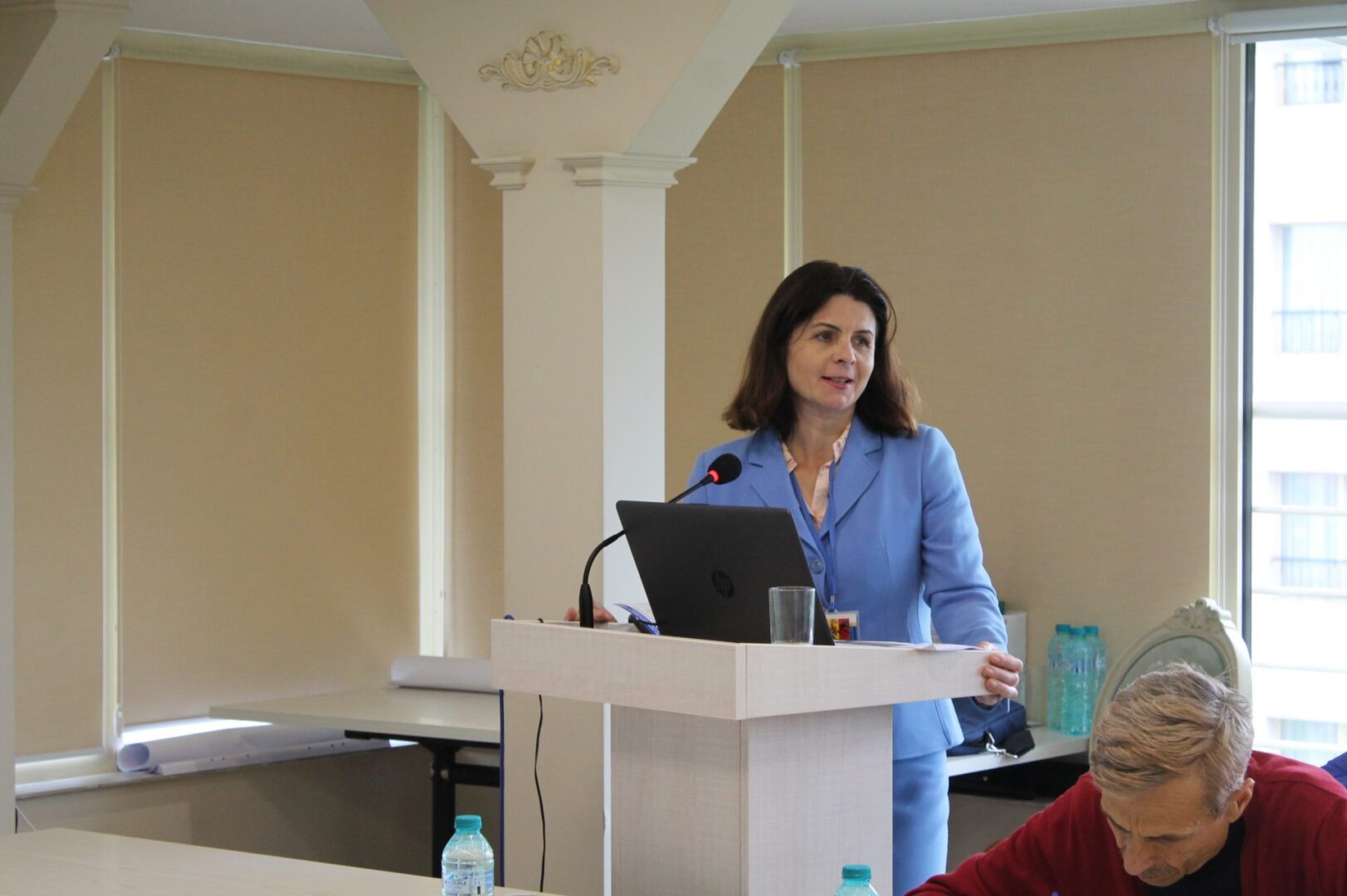
The People’s Advocate Office conducted a study on the quality of medical equipment, which showed that the equipment is largely outdated and do not meet the standards. The head of the Directorate for Policies and Legislation, Svetlana Rusu, and the chief consultant, in the Directorate for the Management and Investigation of Applications, Elena Cernauteanu, spoke about the findings of the study on the condition and endowment of the equipment, but also about the conditions in which the premature infants are treated. According to the statements of PAO (People’s Advocate Office) representatives, children often do not have access to emergency medical services because ambulances are not endowed with the necessary equipment.
Another risk that children are exposed to is that they may remain blind for life because hospitals lack the equipment needed to photograph the bottom of the eye (RET-CAM) to adequately assess the condition of the retina and to detect in time the need to perform laser operations in case of coagulation. This is the opinion of the ophthalmologist, Corina Magdei.
On the other hand, the engineer-coordinator, Medical Bioengineering Department from the Public Medical-Sanitary Institution Institute of Mother and Child, Pavel Timotin, states that every year the budget allocated for the procurement of machinery is increasing. However, the needs are increasing due to the high degree of wear of the existing equipment, and, on the other hand, it is necessary to purchase new equipment that would allow the introduction of new methods of investigation and treatment.
Another issue addressed at the round table was the lack of access of patients to information. Svetlana Salina spoke about the nightmare she went through during pregnancy – medical errors, lack of information, premature birth, loss of child. „They told me – your child is dead, that’s all! As if they were telling me that Your head hurts a bit, go and take a Paracetamol”. The parent said she did not have access to information, did not benefit from the assistance of a psychologist. Not only did she not know what was going on with her child, about her health condition, but she also encountered indifference and lack of basic support from doctors. At the end of the round table, a Resolution was drawn up which will be transmitted to the relevant institutions for examination.